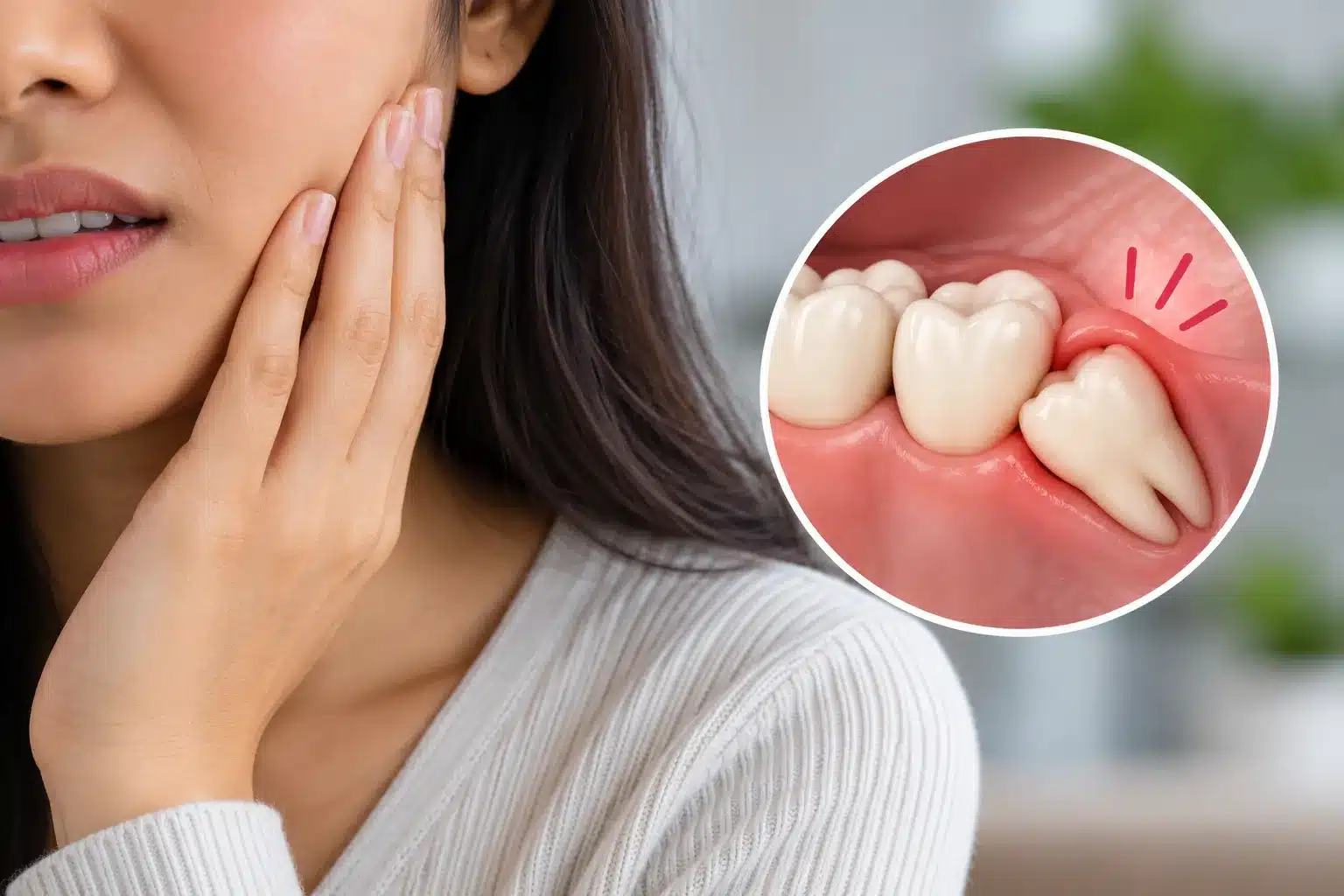
There is a very specific kind of ache that shows up at the very back of the jaw sometime in the late teens or twenties, and it usually means one thing: your wisdom teeth are making their entrance. For some people this happens quietly, with barely any discomfort. For many others, it comes with swelling, jaw stiffness, and a nagging pain that makes chewing genuinely difficult. Because wisdom teeth are the last to arrive and often do not have enough room to erupt properly, they tend to cause more problems than any other tooth in the mouth.
This complete guide walks through exactly what happens when wisdom teeth come in, the symptoms to expect, home relief measures that actually help, warning signs that need urgent attention, and how a qualified dental clinic in Thalassery decides whether your wisdom teeth need to be removed or can simply be monitored.
What Exactly Are Wisdom Teeth?
Wisdom teeth, or third molars, are the final set of teeth to erupt, typically positioned at the very back of the upper and lower jaws. According to a clinical review published in the British Journal of General Practice, they usually erupt between the ages of 17 and 25, though for some people this can happen years later, and a small percentage of people never develop them at all. Most adults have four wisdom teeth, one in each corner of the mouth, but by the time modern humans reach adulthood, the jaw frequently does not have enough space left to accommodate them properly, which is the root cause of most wisdom tooth problems.
What Does the Research Say About Wisdom Tooth Problems?
Wisdom tooth complications are far more common than most people expect. The same British Journal of General Practice review found that pericoronitis, inflammation and infection of the gum tissue around a partially erupted wisdom tooth, has a reported prevalence of roughly 81 percent among people in their twenties, and that about 80 percent of wisdom teeth require extraction before the age of 70. A separate clinical trial summary on wisdom tooth extraction outcomes notes that impacted wisdom teeth affect somewhere between roughly 36 and 59 percent of the general population, making impaction one of the most common conditions in young adults.
An Indian study on third molar infections similarly found that a meaningful share of participants had experienced dental caries or pericoronitis linked to their wisdom teeth, with mandibular, or lower jaw, wisdom teeth showing the highest rates of gum infection. Together, this research confirms that wisdom tooth discomfort is not something to dismiss lightly, and that early evaluation tends to prevent far more serious complications later.
Common Symptoms When Wisdom Teeth Are Coming In
Wisdom teeth rarely erupt without some warning signs. Recognising these symptoms early makes it easier to manage discomfort and know when to see a dentist.
- Dull or throbbing pain at the very back of the jaw, often worse while chewing.
- Red, swollen or tender gums around the back molars on one or both sides.
- Difficulty opening the mouth fully or general jaw stiffness near the affected area.
- A bad taste or persistent bad breath coming from the back of the mouth.
- Mild fever or swollen lymph nodes if an infection has started to develop.
- Headaches or ear discomfort on the same side as the erupting tooth.
- Visible partial eruption of the tooth or a flap of gum tissue covering it.
What to Do for Immediate Relief
While a dental evaluation is always the right long-term step, several safe, dentist-approved measures can ease discomfort while you wait for your appointment or while a tooth is simply erupting normally without complication.
Rinse With Warm Salt Water
A warm salt water rinse, using about half a teaspoon of salt dissolved in a cup of warm water, helps reduce bacteria and inflammation around the erupting tooth. Rinsing gently two to three times a day is one of the simplest and most effective home measures available.
Apply a Cold Compress
Holding a cold compress or ice pack against the outside of the jaw for fifteen to twenty minutes at a time helps reduce swelling and numbs the area enough to ease discomfort, particularly in the first day or two of noticeable symptoms.
Use Over-the-Counter Pain Relief
Standard over-the-counter pain relievers can help manage discomfort in the short term. It is worth checking with a pharmacist or dentist about the right option and dosage for your situation, especially if you are already taking other medication.
Keep the Area Clean
Gently brushing around the erupting tooth, even though it may be uncomfortable, helps prevent food particles and bacteria from accumulating under the gum flap, which is a major contributor to pericoronitis. A soft-bristled brush and careful technique make this more manageable.
Stick to Soft Foods Temporarily
Eating softer foods and avoiding hard, crunchy or sticky items for a few days reduces strain on the affected area and lowers the risk of food becoming trapped around the erupting tooth.
Avoid Smoking and Alcohol
Both smoking and alcohol can irritate inflamed gum tissue and slow healing, so avoiding them while symptoms are active supports faster recovery and reduces infection risk.
When Wisdom Tooth Pain Signals a Bigger Problem
Mild discomfort during eruption is common and often resolves with home care, but certain symptoms suggest an infection or impaction that needs prompt professional attention rather than home management alone.
- Severe pain that does not improve with basic pain relief within a day or two.
- Noticeable pus, a foul taste, or a distinct swelling that continues to worsen.
- Difficulty swallowing, breathing, or fully opening the mouth due to swelling.
- Fever accompanying jaw pain, which can indicate a spreading infection.
- Pain that radiates toward the ear, throat or neck on the affected side.
If any of these occur, seeing a dentist promptly is important, since untreated infections around wisdom teeth can spread to surrounding tissue and, in rare cases, become a more serious medical concern.
Impacted Wisdom Teeth: What It Means and Why It Matters
An impacted wisdom tooth is one that does not have enough room to erupt fully or grows in at an abnormal angle, sometimes pushing against the neighbouring molar. Impaction is extremely common and is a leading reason dentists recommend extraction even before symptoms become severe.
- Mesioangular impaction, where the tooth is angled toward the front of the mouth, pressing forward.
- Vertical impaction, where the tooth is aligned correctly but still blocked from erupting fully.
- Horizontal impaction, where the tooth grows sideways directly into the neighbouring tooth.
- Distoangular impaction, where the tooth angles backward, away from the neighbouring molar.
Left untreated, impacted wisdom teeth can contribute to cavities in the adjacent tooth, gum disease, cyst formation around the impacted tooth, and in some cases crowding of the surrounding teeth. This is why dentists typically recommend an X-ray evaluation as soon as wisdom teeth begin causing any discomfort, even if the pain initially seems mild.
Do All Wisdom Teeth Need to Be Removed?
Not necessarily. A wisdom tooth that erupts fully, sits in proper alignment, and can be cleaned effectively alongside the rest of the teeth may not need removal at all. The decision depends on several factors a dentist evaluates through a clinical exam and X-ray, including the tooth’s position, whether it is impacted, how much room is available in the jaw, and whether there are already signs of decay, infection or damage to neighbouring teeth. Monitoring with periodic check-ups is a reasonable approach for wisdom teeth that are not currently causing problems, while extraction is generally recommended once pain, infection or impaction becomes evident.
How Amend Dental Manages Wisdom Tooth Care
At Amend Dental, wisdom tooth evaluation always begins with a thorough clinical examination and digital imaging to understand the tooth’s exact position before recommending a course of action. For patients who need extraction, the clinic follows careful surgical protocols designed to minimise discomfort and support faster healing. Patients who develop crowding or alignment issues linked to wisdom tooth eruption may also be guided toward invisible aligners once the extraction has healed, to restore proper alignment across the rest of the smile.
Finding the Right Dental Clinic for Wisdom Tooth Care in Kerala
Wisdom tooth extraction is a surgical procedure, which makes the skill and experience of the dentist especially important. A dependable dental clinic in Kozhikode should offer proper diagnostic imaging, a clear explanation of your specific case, and realistic guidance on recovery rather than rushing straight into surgery. You can explore the full range of treatments on the Amend Dental services page.
Do Not Wait Out Wisdom Tooth Pain
Wisdom teeth coming in can range from a mild inconvenience to a genuinely painful ordeal, and research consistently shows that a large share of people will experience some form of complication, whether that is pericoronitis, impaction or crowding. Home care measures like salt water rinses and cold compresses can ease mild discomfort, but persistent pain, swelling or infection should always prompt a proper dental evaluation. Catching problems early, before they escalate into infection or damage to neighbouring teeth, almost always means a simpler, less invasive treatment path.
Wisdom Teeth Causing Trouble? Get It Checked Early
Do not wait for the pain to become unbearable before getting your wisdom teeth evaluated. Amend Dental is a trusted dental clinic in Calicut that offers thorough evaluation and safe, comfortable extraction when it is needed.
Book a free consultation at Amend Dental today..
Frequently Asked Questions
At what age do wisdom teeth usually come in?
Wisdom teeth typically erupt between the ages of 17 and 25, though the exact timing varies from person to person, and some people develop them later or not at all.
Is it normal for wisdom teeth to hurt while coming in?
Yes, mild to moderate discomfort is common as wisdom teeth erupt, especially if there is limited space in the jaw. However, severe or worsening pain should be evaluated by a dentist.
How do I know if my wisdom tooth is impacted?
Impaction can only be confirmed through a dental X-ray, though signs like persistent pain, swelling, or a tooth that never fully breaks through the gum can suggest impaction.
Can I just leave my wisdom teeth alone if they do not hurt?
If a wisdom tooth is fully erupted, properly aligned and can be cleaned effectively, it may not require removal. Regular dental check-ups help monitor it for any future changes.
How long does wisdom tooth pain typically last?
Mild eruption discomfort can come and go over several days or weeks as the tooth gradually breaks through. Pain that is severe or lasts beyond a few days usually needs professional evaluation.
Is wisdom tooth extraction painful?
The procedure itself is performed under local or general anaesthesia, so patients typically feel little to no pain during extraction. Some soreness and swelling during recovery is normal and manageable with prescribed care.
Where can I get my wisdom teeth checked in Kerala?
Amend Dental evaluates and treats wisdom tooth concerns across its clinics in Calicut, Kannur, Thalassery, Nadapuram and Kottakkal. Explore more on the dental services page.