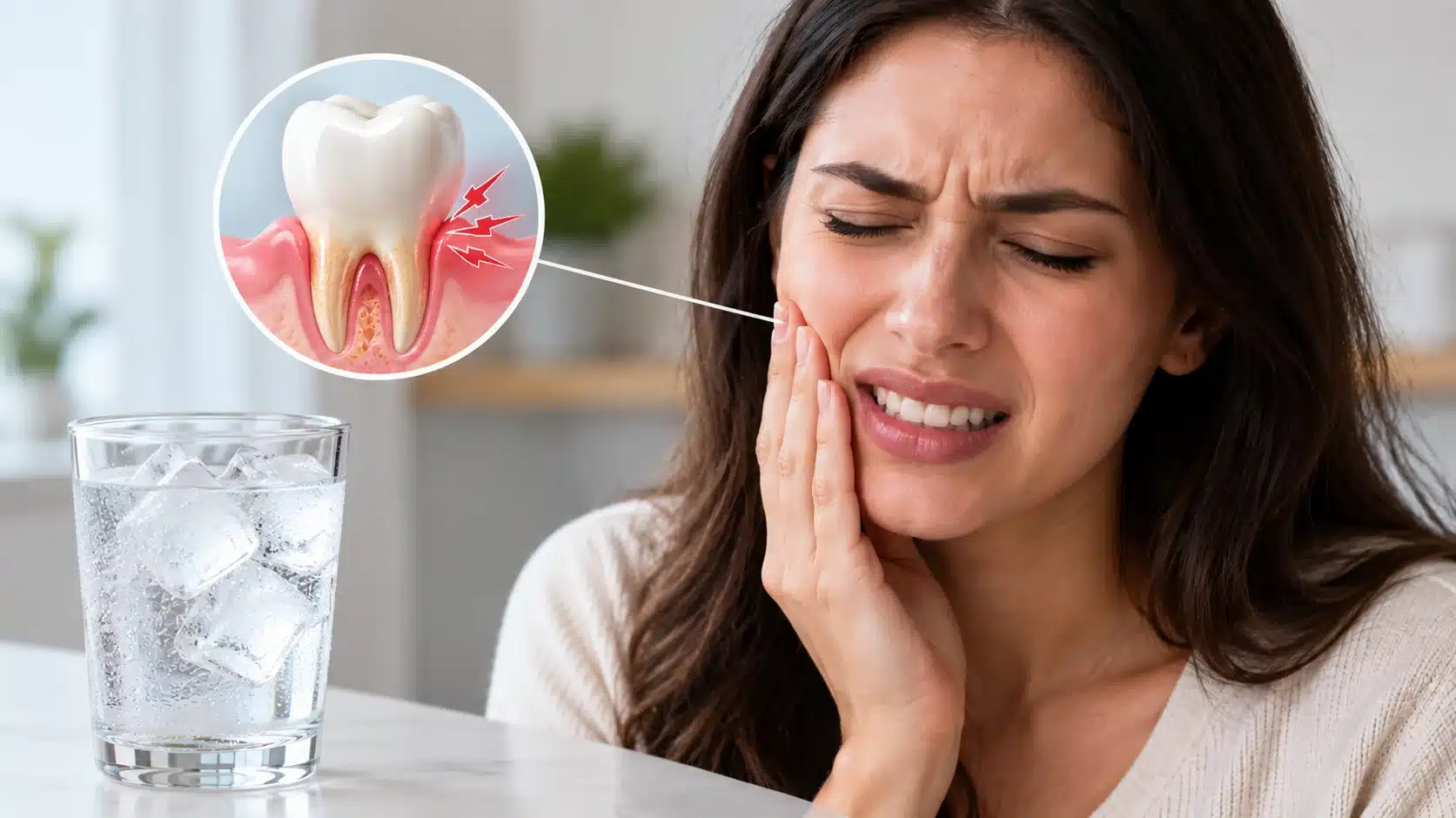
Bad breath is one of those problems people rarely talk about openly, yet it affects an enormous number of people at some point in their lives. It can quietly chip away at confidence in conversations, meetings and close relationships, and the worst part is that the person experiencing it is often the last to know. The good news is that persistent bad breath almost always has an identifiable, treatable cause, and once you understand where it actually comes from, fixing it becomes far more straightforward than most people expect.
This blog explains what really causes bad breath, what dental research says about its most common origins, and how a proper diagnosis from a dental clinic in Calicut can help you address it permanently rather than just masking it with mints and mouthwash.
What Is Bad Breath, Medically Speaking?
Bad breath, known clinically as halitosis, refers to an unpleasant odor coming from the mouth that is noticeable to others. It is generally classified into a few types: genuine halitosis, which has a real, detectable odor and identifiable cause, and cases where the perceived odor is minimal or absent despite the person’s concern. Genuine halitosis is further divided into physiological halitosis, such as ordinary morning breath, and pathological halitosis, caused by an underlying oral or medical condition. Understanding which type you are dealing with is the first step toward proper treatment.
What Does the Research Say Causes Bad Breath?
Dental research is remarkably consistent on this point. A systematic review on the aetiology of halitosis found that eighty to ninety percent of halitosis cases originate from factors inside the mouth itself, with a coated tongue, periodontal disease and poor oral hygiene identified as the principal contributors. The same review noted that halitosis prevalence across various studies has been estimated between roughly 24 and 39 percent of the population, with about half of adults reporting episodic bad breath at some point.
A large study examined thousands of subjects and found that nearly two-thirds had measurable halitosis, with tongue coating identified as the single most important contributing factor, ahead of gum disease and other oral conditions. A separate narrative review confirmed that only a small fraction of halitosis cases, roughly five to nine percent, originate from non-oral sources such as the respiratory or gastrointestinal tract, reinforcing that the mouth itself is almost always where the real problem lies.
Taken together, these findings make one thing clear: for the vast majority of people, bad breath is not a mystery condition requiring extensive medical testing, it is an oral health issue with a specific, identifiable cause that responds well to the right treatment.
The Main Reasons for Bad Breath

Several distinct factors, working alone or in combination, are responsible for the vast majority of bad breath cases. Here is a breakdown of the most significant causes, based on both clinical research and everyday dental practice.
Bacteria Coating the Tongue
The back of the tongue is the single most common source of bad breath. Its rough surface traps food particles, dead cells and bacteria, which break down proteins and release volatile sulfur compounds, the primary chemicals responsible for the odor associated with halitosis. This is why tongue cleaning is consistently identified as one of the most effective interventions for reducing bad breath.
Gum Disease and Periodontal Infection
Gingivitis and periodontitis create pockets of infection around the teeth and gums where odor-causing bacteria thrive. Left untreated, gum disease not only worsens bad breath but can eventually lead to tooth loss, making early treatment important for more reasons than odor control alone.
Dry Mouth
Saliva plays a critical role in washing away food particles and bacteria throughout the day. When saliva production drops, whether from dehydration, certain medications, mouth breathing or sleeping with your mouth open, bacteria multiply more easily, which is part of why almost everyone experiences some degree of bad breath upon waking up.
Food Particles and Poor Oral Hygiene
Food trapped between teeth or along the gum line breaks down over time and contributes directly to odor, especially when brushing and flossing are inconsistent. Certain foods like garlic and onions also release sulfur compounds that are absorbed into the bloodstream and temporarily exhaled through the lungs, independent of oral hygiene.
Tooth Decay and Untreated Cavities
Cavities create spaces where bacteria and decaying food particles accumulate, producing a persistent, localised odor that generally does not respond to brushing or mouthwash alone until the decay itself is treated.
Tonsil Stones
Small calcified deposits can form in the crevices of the tonsils, trapping bacteria and debris that produce a distinct, often surprisingly strong odor. These are more common in people prone to chronic tonsillitis or post-nasal drip.
Smoking and Tobacco Use
Tobacco products dry out the mouth, leave residue on the teeth and tongue, and are strongly linked to gum disease, all of which combine to make smoking one of the most significant contributors to chronic bad breath.
Sinus Infections and Post-Nasal Drip
Mucus draining from infected sinuses down the back of the throat provides a steady supply of bacteria-friendly material, which is why bad breath often accompanies colds, allergies and chronic sinus conditions.
Acid Reflux and Digestive Conditions
In some cases, stomach acid or digestive gases travelling back up the oesophagus contribute to a distinct sour or acidic odor, particularly for people with untreated gastroesophageal reflux disease.
How to Tell If You Actually Have Bad Breath
Since people rarely smell their own breath objectively, a few simple checks can help. Licking the inside of your wrist and smelling it after it dries, or gently scraping the back of your tongue with a spoon and smelling the residue, gives a more accurate impression than breathing into your own hand. When in doubt, asking a trusted friend or family member, or getting a professional evaluation, remains the most reliable option.
How to Fix and Prevent Bad Breath
The right solution depends entirely on the underlying cause, but most cases respond well to a combination of the following steps, which address the actual source rather than temporarily masking the smell.
- Brush your teeth and gently clean your tongue at least twice a day consistently.
- Floss daily to remove trapped food particles and plaque between teeth thoroughly.
- Stay well hydrated throughout the day to maintain healthy saliva flow levels.
- Avoid tobacco products, which dry the mouth and worsen gum disease significantly.
- Chew sugar-free gum to stimulate saliva production between meals and brushing.
- Limit odor-causing foods before important meetings or social occasions when possible.
- Treat underlying sinus, digestive or gum conditions rather than relying on mints alone.
- Schedule a professional dental cleaning at least twice a year for early detection.
When Bad Breath Needs Professional Attention
Occasional bad breath after a garlicky meal or first thing in the morning is completely normal and not a cause for concern. However, persistent bad breath that does not improve with better oral hygiene, or breath accompanied by bleeding gums, tooth pain or a bad taste in the mouth, usually signals an underlying issue that needs professional evaluation rather than home remedies.
A dentist can identify whether the cause is gum disease, decay, dry mouth or something outside the mouth entirely, and recommend the right next step. In cases involving deep decay or infection reaching the nerve, treatment may include microscopic root canal treatment, while patients with gum disease typically benefit from professional cleaning and a structured periodontal treatment plan.
Tired of Bad Breath? Get to the Real Cause
If mints and mouthwash have stopped working, it is time to find out what is really causing it. Amend Dental is a trusted dental clinic in Calicut that can pinpoint the exact source of your bad breath and treat it at the root.
Book a free consultation at Amend Dental today, explore preventive and restorative dental treatments.
Frequently Asked Questions
What is the most common reason for bad breath?
The most common cause is bacteria coating the back of the tongue, which breaks down proteins and releases volatile sulfur compounds responsible for the odor.
Can bad breath be a sign of a serious health problem?
In most cases bad breath stems from an oral cause like gum disease or tongue bacteria, but persistent bad breath unrelated to oral hygiene can sometimes indicate sinus issues, acid reflux or, rarely, other medical conditions worth discussing with a doctor.
Why does mouthwash only mask bad breath temporarily?
Most mouthwashes reduce odor by killing surface bacteria temporarily, but they do not remove the tongue coating or treat gum disease, which are the actual sources of the problem, so odor tends to return within hours.
Does bad breath always come from the mouth?
No, though research shows about 80 to 90 percent of cases do originate in the mouth. The remaining cases can stem from sinus infections, tonsils, digestive issues or, less commonly, other medical conditions.
How can I test if I have bad breath?
Licking your wrist and smelling it once dry, or smelling residue from gently scraping the back of your tongue, gives a more accurate self-test than breathing into your hand.
Can children get bad breath too?
Yes. Bad breath in children is often linked to mouth breathing, tonsil issues or poor oral hygiene, and it is worth mentioning to a dentist if it persists.
Where can I get bad breath treated in Kerala?
Amend Dental diagnoses and treats the underlying causes of bad breath across its clinics in Calicut, Kannur, Thalassery, Nadapuram and Kottakkal. Explore more on the dental services page.
Pages You Might Like:
Dental clinic in Calicut, Best dental clinic in Calicut, Dental clinic in Kozhikode, Best dental clinic in Kozhikode, Dental hospital Calicut, Dental clinic in Kannur, Best dental clinic in Kannur, Top dental clinic in Kannur, Dental clinic in Thalassery, Best dental clinic in Thalassery, Dental clinic Kottakkal, Kottakkal dental clinic, Best dental clinic in Malappuram, Dental clinic in Malappuram