Keeping teeth healthy long term relies on ten consistent habits, brushing twice daily with fluoride toothpaste, flossing once a day, limiting sugary and acidic foods, drinking enough water, avoiding tobacco, using a soft-bristled brush with correct technique, replacing your toothbrush every three months, wearing a mouthguard for sports or grinding, choosing tooth-friendly snacks, and visiting a dentist every six months for check-ups and cleaning.
This blog breaks down ten proven, dentist-backed ways to keep your teeth healthy, explains why each one matters, and shows how a good routine paired with regular visits to a trusted dental clinic can help you avoid the vast majority of common dental problems altogether.
1. Brush Twice a Day With Fluoride Toothpaste
This is the single most important habit for oral health, yet many people still brush inconsistently or for too short a time. Brushing twice daily, once in the morning and once before bed, removes the plaque that builds up on teeth throughout the day and overnight. Fluoride toothpaste specifically strengthens tooth enamel and makes it more resistant to the acid produced by bacteria, which is why fluoride remains a non-negotiable ingredient recommended by dentists worldwide. Aim for at least two minutes of brushing, covering every surface of every tooth rather than rushing through the front teeth alone.
2. Floss at Least Once Daily
Brushing alone cannot reach the tight spaces between teeth where food particles and plaque frequently get trapped. Flossing once a day, ideally before bed, removes this debris before it has a chance to harden into tartar or contribute to gum disease. Many patients skip flossing simply because it feels unnecessary, but studies consistently link regular flossing to lower rates of cavities and gum inflammation between teeth, areas a toothbrush physically cannot clean effectively.
3. Limit Sugary and Acidic Foods
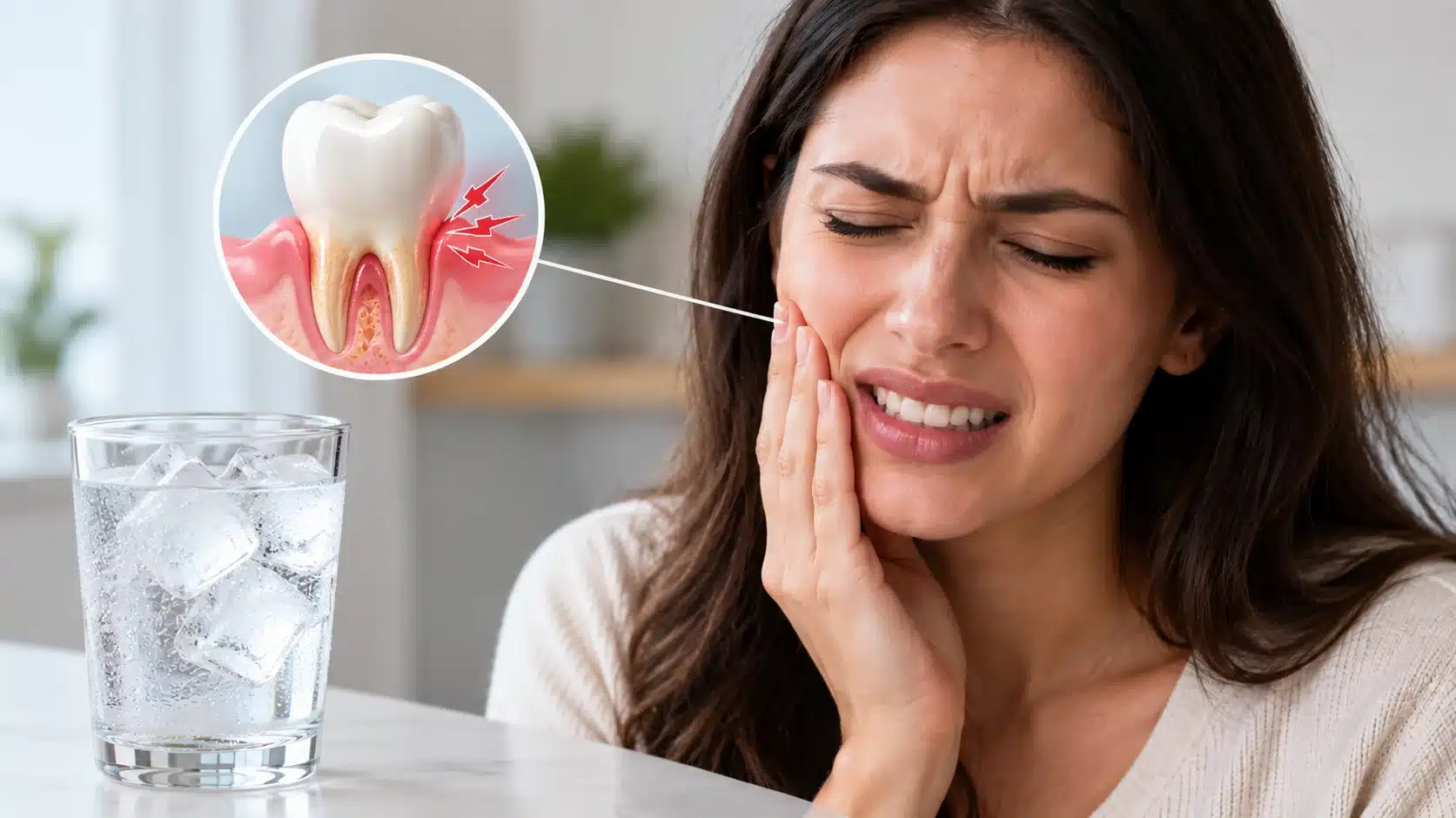
Sugar itself does not directly damage teeth, but the bacteria in your mouth feed on sugar and release acid as a byproduct, and that acid is what erodes enamel over time. Frequent snacking on sugary foods and sipping sugary or acidic drinks throughout the day is often more damaging than eating the same amount in one sitting, since it keeps your mouth in an acidic state for longer. Being mindful of how often you consume sugar, not just how much, makes a meaningful difference to long-term enamel health.
- Reduce frequent snacking on sugary foods and sipping sugary drinks throughout the day.
- Rinse your mouth with water after consuming acidic foods like citrus fruits or soda.
- Choose whole fruit over fruit juice, since juice concentrates sugar without the fibre.
4. Drink Plenty of Water Throughout the Day
Water plays a bigger role in oral health than most people realise. It helps rinse away leftover food particles and sugar between brushing sessions, and it supports healthy saliva production, which is your mouth’s natural defence against bacteria and acid. Fluoridated tap water in particular offers an added layer of cavity protection. Staying well hydrated also helps prevent dry mouth, a condition that significantly increases the risk of tooth decay and bad breath.
5. Avoid Tobacco in All Forms
Smoking and chewing tobacco are among the most damaging habits for oral health, contributing to gum disease, tooth staining, slower healing after dental procedures, and a significantly higher risk of oral cancer. Tobacco use also reduces blood flow to the gums, which weakens their ability to fight infection. Quitting tobacco is one of the most impactful decisions a person can make for both oral and overall health, and it also improves the long-term success of treatments like dental implants and gum therapy.
6. Use a Soft-Bristled Brush With the Right Technique
A common mistake is assuming a firmer brush or aggressive scrubbing cleans teeth better. In reality, hard bristles and heavy pressure can wear down enamel and irritate gums over time, leading to sensitivity and gum recession. Dentists generally recommend a soft-bristled brush used with gentle, circular motions at a 45-degree angle to the gum line, which cleans effectively without causing damage. Electric toothbrushes with built-in pressure sensors can also help patients avoid brushing too hard.
7. Replace Your Toothbrush Every Three Months
Toothbrush bristles wear down and become less effective at removing plaque long before they look visibly damaged. Using a worn-out toothbrush means you are not cleaning your teeth as thoroughly as you think, even if your routine has not changed. As a general rule, replace your toothbrush, or the head of an electric toothbrush, every three months, or sooner if the bristles start to fray or if you have recently recovered from an illness.
8. Wear a Mouthguard for Sports or Teeth Grinding
Physical trauma is one of the more overlooked causes of dental damage. Anyone who plays contact sports should wear a properly fitted mouthguard to protect against chipped, cracked or knocked-out teeth. Similarly, people who grind their teeth at night, a condition known as bruxism, often benefit from a custom night guard to prevent gradual enamel wear and jaw strain. If you frequently wake up with jaw soreness or headaches, it is worth discussing a night guard with your dentist.
9. Choose Tooth-Friendly Snacks
What you snack on between meals matters just as much as your main meals. Crunchy fruits and vegetables like apples, carrots and celery naturally help clean the tooth surface as you chew, while cheese and plain yoghurt help neutralise acid in the mouth and provide calcium that supports enamel strength. Nuts and leafy greens are similarly good choices. Swapping sticky, sugary snacks for these alternatives reduces the amount of time sugar and acid remain in contact with your teeth.
- Crunchy fruits and vegetables help clean teeth naturally while you chew them.
- Cheese and plain yoghurt help neutralise acid and strengthen enamel with added calcium.
- Nuts and leafy greens offer tooth-friendly nutrients without contributing to plaque buildup.
10. Visit a Dentist Every Six Months
No home routine, however consistent, can fully replace professional dental care. Regular check-ups allow a dentist to catch early signs of decay, gum disease or enamel wear long before they become painful or expensive to treat, while professional cleanings remove hardened tartar that brushing and flossing cannot. A visit to a good dental clinic in Kozhikode every six months also means any concern, from a small cavity to early gum inflammation, gets addressed while treatment is still simple and minimally invasive.
Why Preventive Dental Care Matters More Than People Realise
Most serious dental problems, from advanced gum disease to the need for a root canal or implant, develop gradually and are almost always preventable with consistent care and early intervention. Skipping regular check-ups because nothing hurts yet is one of the most common reasons minor issues turn into major, more expensive treatments later. Preventive care is not just about avoiding pain, it is about protecting your natural teeth for as long as possible and avoiding the need for more invasive procedures down the line.
At Amend Dental, preventive care is treated as the foundation of every patient relationship. For patients who are already dealing with damage from years of neglect, the clinic also offers restorative options such as microscopic root canal treatment and smile correction, while patients focused purely on prevention benefit from routine check-ups and professional cleaning built around their specific needs.
Finding the Right Dental Clinic for Preventive Care in Kerala
Consistency matters just as much in professional care as it does at home. A dependable dental clinic in Calicut should make it easy to stick to a six-month check-up schedule, offer clear guidance on your specific oral health risks, and catch small problems before they grow. You can explore the full range of preventive and restorative treatments on the Amend Dental services page.
Final Thoughts: Small Habits, Lifelong Results
Keeping your teeth healthy does not require expensive products or complicated routines. It comes down to ten simple, consistent habits practised over years, not days. Brush and floss properly, watch your sugar intake, stay hydrated, avoid tobacco, protect your teeth from physical damage, snack wisely, and never skip your six-month dental visit. Together, these habits do far more to protect your smile than any single treatment ever could, and they make every future visit to the dentist simpler, faster and less expensive.
Ready to Protect Your Smile for Life?
Good habits at home go a long way, but nothing replaces regular professional care. Amend Dental, one of the most trusted dental clinic in Calicut is here to help you build a preventive care routine that keeps your teeth healthy for life.
Book a free consultation at Amend Dental today, explore preventive and restorative dental treatments, or browse the Amend Dental blog for more expert dental guides and patient success stories.
Frequently Asked Questions
What is the single most important habit for healthy teeth?
Brushing twice daily with fluoride toothpaste is widely considered the most important habit, since it directly removes plaque and strengthens enamel against decay.
How often should I really floss?
Dentists recommend flossing at least once a day, ideally before bed, to remove food particles and plaque from between teeth that a toothbrush cannot reach.
Can diet really affect my teeth?
Yes. Frequent sugar and acid exposure feeds harmful bacteria and erodes enamel over time, while tooth-friendly foods like dairy, crunchy vegetables and nuts help protect and strengthen teeth.
How often should I visit the dentist?
Most people should visit the dentist every six months for a check-up and professional cleaning, though patients with existing dental issues may need more frequent visits.
Does mouthwash replace brushing and flossing?
No. Mouthwash can support oral hygiene by reducing bacteria and freshening breath, but it does not physically remove plaque the way brushing and flossing do, so it should be used alongside them, not instead of them.
Is it normal for gums to bleed while brushing or flossing?
Occasional light bleeding when starting a new flossing routine can be normal, but persistent or frequent bleeding often signals early gum disease and should be checked by a dentist.
Where can I get a dental check-up in Kerala?
Amend Dental offers preventive check-ups and cleaning across its clinics in Calicut, Kannur, Thalassery, Nadapuram and Kottakkal. Explore more on the dental services page.
Pages You Might Like:
Dental clinic in Calicut, Best dental clinic in Calicut, Dental clinic in Kozhikode, Best dental clinic in Kozhikode, Dental hospital Calicut, Dental clinic in Kannur, Best dental clinic in Kannur, Top dental clinic in Kannur, Dental clinic in Thalassery, Best dental clinic in Thalassery, Dental clinic Kottakkal, Kottakkal dental clinic, Best dental clinic in Malappuram, Dental clinic in Malappuram