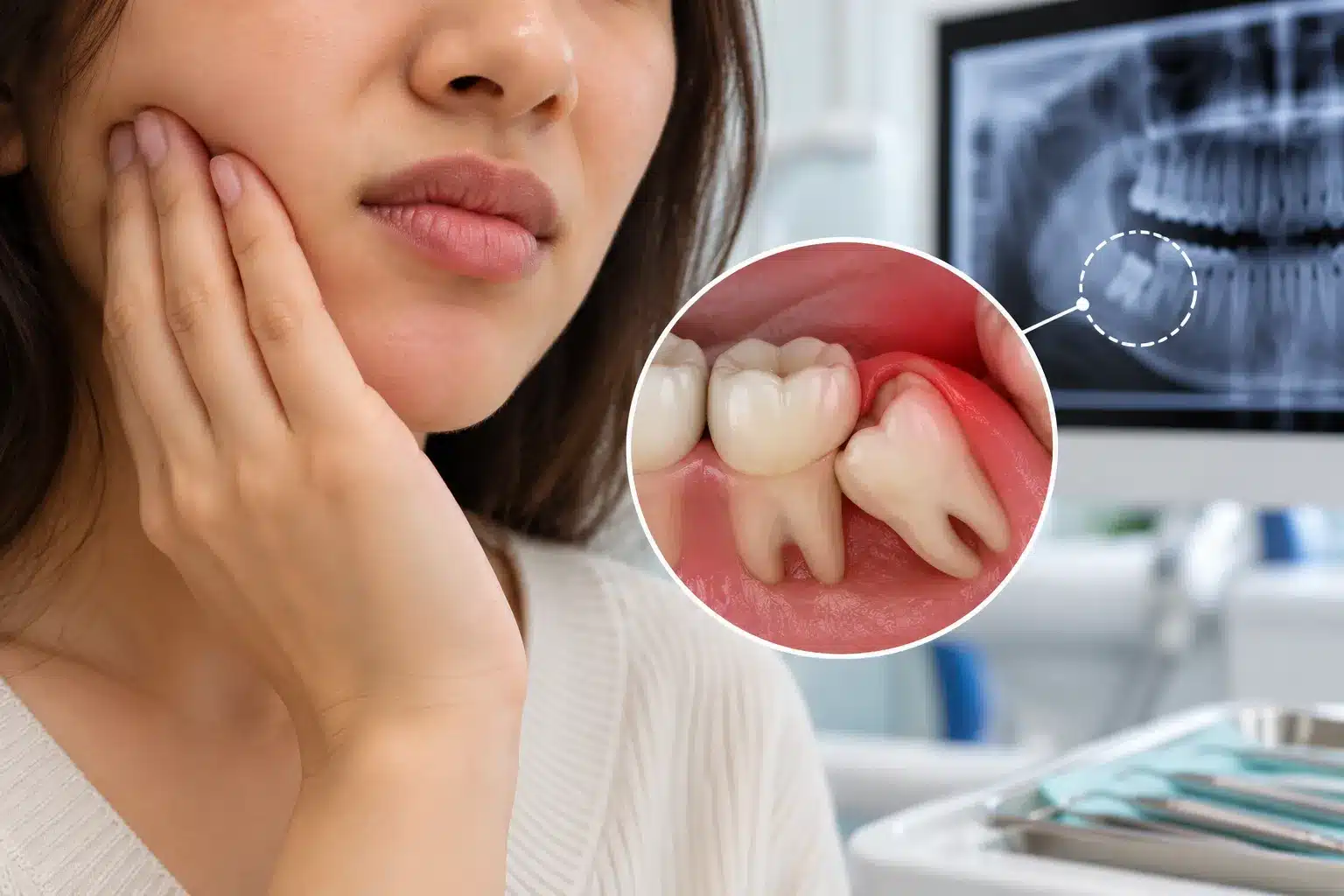
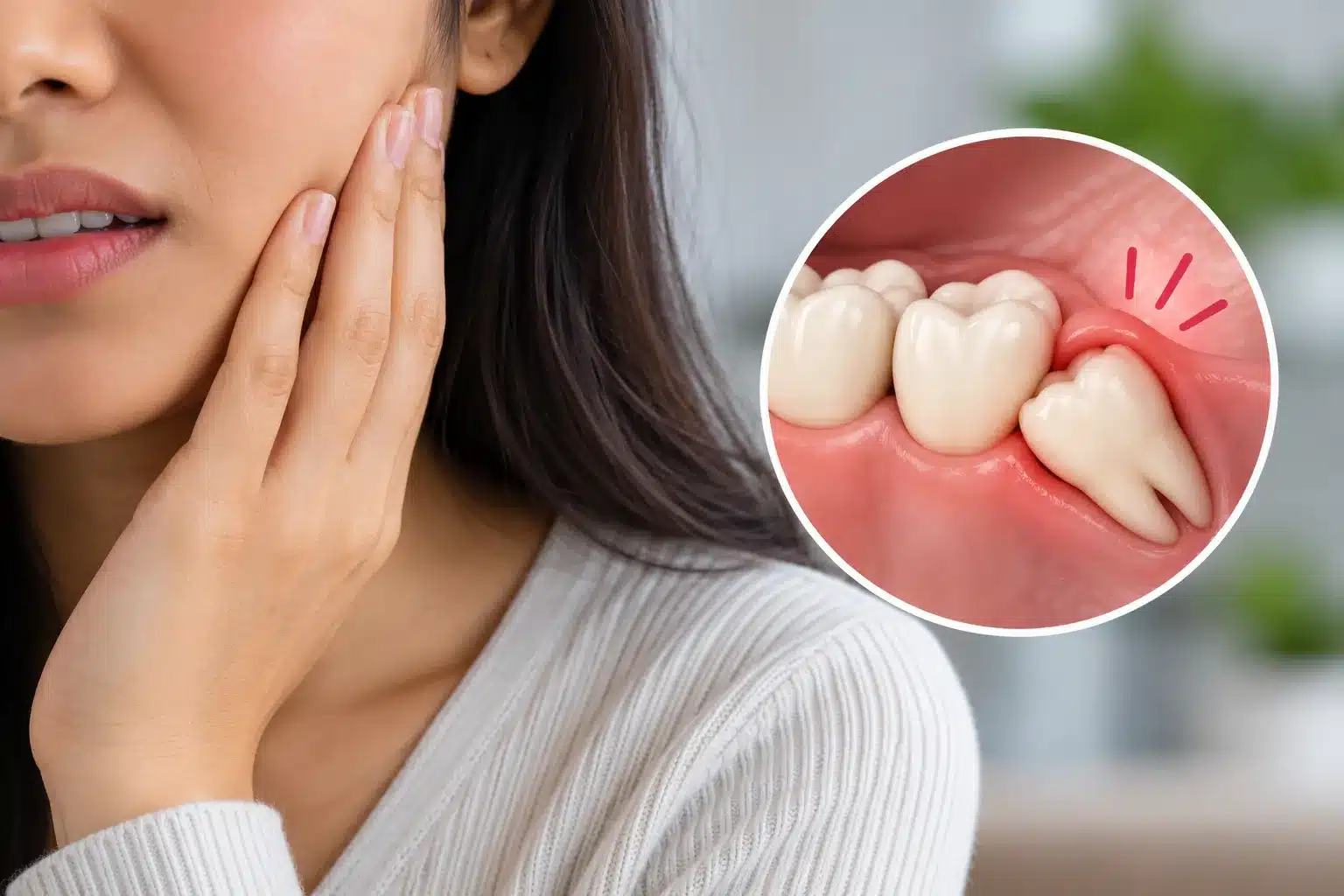
Dental pain has a way of disrupting daily life in a manner that is both physically exhausting and mentally draining, and among the most effective solutions for saving a severely damaged or infected tooth is root canal treatment, a procedure that has evolved significantly over the years to become more precise, comfortable, and predictable than ever before.
Understanding Root Canal Treatment
Root canal treatment is a dental procedure designed to remove infected or damaged tissue from inside a tooth, clean and disinfect the root canals, and then seal the space to prevent future infection, all while preserving the natural tooth structure instead of removing it entirely.
Inside every tooth lies a soft tissue called pulp, which contains nerves, blood vessels, and connective tissues that help the tooth develop during its early stages. However, once a tooth has fully matured, it can continue to function even without the pulp, as the surrounding tissues provide the necessary nourishment.
When this pulp becomes infected due to deep decay, repeated dental procedures, cracks, trauma, or untreated cavities, it can lead to intense pain, swelling, and even abscess formation, which is where root canal treatment becomes necessary.
Why Root Canal Treatment Is Needed
The need for root canal treatment usually arises when the inner pulp becomes inflamed or infected, which can occur gradually over time or suddenly due to trauma.
Some common reasons include deep dental decay that reaches the pulp, cracks or chips that expose the inner tissues, repeated dental procedures on the same tooth that weaken its structure, and injuries that damage the pulp even without visible cracks.
If left untreated, the infection can spread beyond the tooth, affecting surrounding bone and tissues, which may eventually lead to tooth loss and more complex dental problems.
Symptoms That May Suggest You Need a Root Canal
Recognizing the early signs of pulp damage can help prevent complications and ensure timely treatment.
Persistent tooth pain that does not subside, sensitivity to hot or cold that lingers even after the stimulus is removed, swelling or tenderness in the gums, discoloration of the tooth, and the presence of a small pimple like swelling on the gums are all indicators that should not be ignored.
In some cases, there may be no obvious symptoms, which is why regular dental checkups play an important role in early diagnosis.
Step by Step Process of Root Canal Treatment
Root canal treatment is a carefully structured procedure that involves multiple stages to ensure complete removal of infection and long term success.
The process begins with a detailed examination and imaging, usually through X rays, to determine the extent of infection and the shape of the root canals.
Once the treatment begins, local anesthesia is administered to numb the area, ensuring that the patient experiences minimal discomfort during the procedure.
A small opening is made in the tooth to access the pulp chamber, and specialized instruments are used to remove the infected pulp, clean the canals, and shape them for filling.
After thorough cleaning and disinfection, the canals are filled with a biocompatible material that seals the space and prevents reinfection.
In most cases, a temporary filling is placed initially, followed by a permanent restoration such as a crown, which strengthens the tooth and restores its function.
How Long Does Root Canal Treatment Take
The duration of root canal treatment can vary depending on the complexity of the case, the number of canals in the tooth, and the severity of infection.
A straightforward procedure for a front tooth may be completed in a single visit lasting about 30 to 60 minutes, while molars with multiple canals may require longer appointments or multiple sittings.
Advanced cases with severe infection or complications may also extend the treatment timeline.
Learn more about root canal treatment duration
Number of Visits Required
The number of visits required for root canal treatment depends on individual circumstances.
Simple cases may be completed in one sitting, especially when there is minimal infection and the canals are easily accessible.
However, in cases where infection is extensive, dentists may prefer to clean the canals, place medication inside, and complete the filling in a subsequent visit to ensure complete healing and infection control.
Is Root Canal Treatment Painful
One of the most common misconceptions surrounding root canal treatment is that it is extremely painful, which often causes unnecessary anxiety.
In reality, modern dental techniques and anesthesia have made the procedure relatively comfortable, and most patients report that it feels similar to getting a regular filling.
The purpose of the treatment is to relieve pain caused by infection, not to create it.
What to Expect After the Procedure
After the procedure, it is normal to experience mild discomfort or sensitivity for a few days, especially when chewing, as the surrounding tissues heal.
This discomfort is usually manageable with prescribed or over the counter medications and gradually subsides.
Maintaining good oral hygiene and following the dentist’s instructions are essential for proper healing.
What to Eat After Root Canal Treatment
Diet plays an important role in the recovery phase, particularly before the placement of a permanent crown.
Soft foods such as yogurt, mashed vegetables, rice, soups, and smoothies are recommended as they reduce stress on the treated tooth.
Hard, sticky, or crunchy foods should be avoided until the tooth is fully restored to prevent damage or reinfection.
Cost of Root Canal Treatment
The cost of root canal treatment can vary widely based on factors such as the location of the tooth, the complexity of the procedure, the expertise of the dentist, and the need for additional restorations like crowns.
Molars generally cost more due to their multiple canals and increased difficulty, while front teeth are relatively simpler and less expensive to treat.
Investing in root canal treatment is often more cost effective in the long run compared to extracting the tooth and replacing it with implants or bridges.
Benefits of Root Canal Treatment
Root canal treatment offers several important benefits that go beyond pain relief.
It preserves the natural tooth, maintains proper chewing function, prevents the spread of infection, and supports overall oral health.
Saving the natural tooth also helps maintain alignment and prevents neighboring teeth from shifting.
How to Care for a Tooth After Root Canal
Post treatment care is essential for ensuring the longevity of the treated tooth.
Brushing twice daily, flossing regularly, avoiding excessive pressure on the treated tooth, and attending regular dental checkups are all crucial habits.
Once a crown is placed, the tooth can function almost like a natural tooth for many years with proper care.
Frequently Asked Questions
- What is root canal treatment
Root canal treatment is a dental procedure that removes infected pulp from inside a tooth, cleans the canals, and seals them to save the natural tooth.
- How RCT is done
The dentist removes the infected pulp, cleans and shapes the canals, disinfects them, and fills them with a sealing material followed by restoration.
- How long does a root canal take
It can take between 30 minutes to over an hour per session depending on the tooth and complexity.
- How many sitting required for root canal treatment
It can be done in one sitting for simple cases or two to three sittings for complex infections.
- When is a root canal needed
It is needed when the pulp becomes infected or inflamed due to decay, trauma, or repeated dental procedures.
- How to know if i need a root canal
Persistent pain, sensitivity, swelling, or tooth discoloration are common signs that indicate the need for evaluation.
- Is RCT painful
With modern anesthesia, the procedure is usually not painful and helps relieve existing pain.
- Do root canals hurt
Most patients experience little to no pain during the procedure.
- Does it pain after root canal
Mild discomfort may occur for a few days but it is temporary and manageable.
- What to eat after root canal before crown
Soft foods such as soups, yogurt, and mashed items are recommended.
- Can i eat after a root canal
Yes, but it is best to avoid chewing on the treated side until fully restored.
- How much root canal treatment cost
The cost varies depending on the tooth and complexity, with molars typically costing more than front teeth.
Conclusion
Root canal treatment is no longer the intimidating procedure it was once believed to be, and with modern advancements in dental technology and techniques, it has become a reliable and effective way to save natural teeth while eliminating pain and infection, making it an essential part of restorative dentistry for patients who want to maintain long term oral health without resorting to extractions.
If you are experiencing tooth pain or have been advised to undergo root canal treatment, choosing the right dental care provider makes all the difference, and at Amend Dental Center you can expect expert diagnosis, advanced treatment methods, and patient focused care that prioritizes comfort and long term results, so take the first step towards a pain free and healthy smile by booking your consultation today.
Pages You Might Like:
Dental clinic in Calicut, Best dental clinic in Calicut, Dental clinic in Kozhikode, Best dental clinic in Kozhikode, Dental hospital Calicut, Dental clinic in Kannur, Best dental clinic in Kannur, Top dental clinic in Kannur, Dental clinic in Thalassery, Best dental clinic in Thalassery, Dental clinic Kottakkal, Kottakkal dental clinic, Best dental clinic in Malappuram, Dental clinic in Malappuram