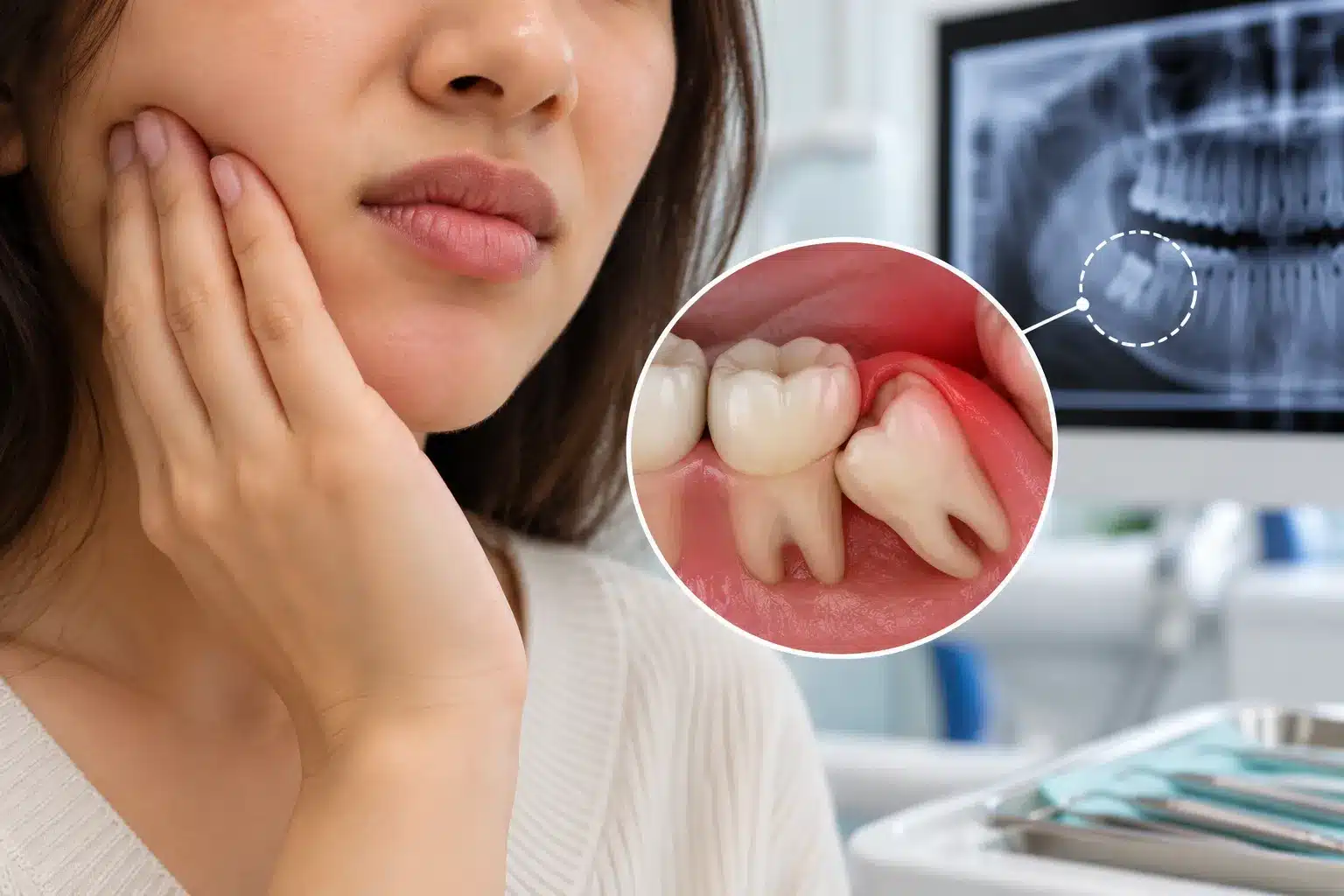
Few phrases in dentistry cause as much anxiety as the words “root canal.” Yet the procedure is far more routine and far less time-consuming than most patients expect. If you have been told you need one, or suspect you might, one of the first questions you are likely to ask is: how long will it actually take?
The honest answer is that it depends on several factors, from which tooth is being treated to how severe the infection is. This guide draws on guidance from leading dental organisations to walk you through everything you need to know.
What Is a Root Canal and Why Is It Needed?
To understand the timeline, it helps to understand the procedure itself. A root canal treatment is a dental procedure to remove inflamed or infected pulp on the inside of the tooth, which is then carefully cleaned, disinfected, filled and sealed.
The pulp is the soft tissue inside the tooth containing blood vessels, connective tissue and nerves. When this tissue becomes damaged through deep decay, a cracked tooth, repeated dental procedures or trauma, the pulp can become infected. If left untreated, the infection can cause significant pain or lead to an abscess.
Importantly, the procedure is designed to save the natural tooth rather than extract it, and there is little to no pain involved because local anaesthesia is used throughout.
How Long Does a Root Canal Take? The Core Answer
The short answer, supported by multiple dental organisations, is that most root canals take between 60 and 90 minutes per appointment. It is very similar to a routine filling and can usually be completed in one or two appointments, depending on the condition of the tooth and the patient’s personal circumstances.
Duration by Tooth Type
The anatomy of the tooth being treated has the single biggest influence on how long the procedure lasts. Different teeth have different numbers of roots and canals, and more canals mean more work.
Front Teeth (Incisors and Canines)
These teeth typically have a single root and a single canal, making them the most straightforward to treat. A root canal on a front tooth generally takes between 30 and 60 minutes. Because access is easier and the anatomy less complex, these procedures are often completed in a single appointment.
Premolars
Premolars sit between the canines and the molars and commonly have one or two roots. Treatment tends to take around 60 minutes, though cases with two roots may extend slightly beyond that. One or two appointments are typically needed.
Molars
Molars are the most complex teeth to treat. They routinely have three or four canals, and their anatomy at the back of the mouth makes access more demanding. Root canal treatment on a molar commonly takes between 90 minutes and two hours per appointment, and two visits are frequently required. The endodontist must carefully clean and shape every canal, which accounts for the additional time needed on more complex teeth.
What Happens During a Root Canal? A Stage-by-Stage Breakdown
Understanding each stage helps explain where the time goes.
- X-ray and examination (5 to 10 minutes): The dentist or endodontist takes X-rays to assess the extent of infection and map the canal anatomy before treatment begins.
- Anaesthesia (5 to 10 minutes): Local anaesthetic is administered to numb the tooth and surrounding area. The ADA confirms this makes the procedure virtually painless.
- Rubber dam placement (5 minutes): A thin sheet of latex is placed over the tooth to keep the area dry, sterile and free from bacteria present in the rest of the mouth.
- Access and pulp removal (15 to 30 minutes): A small opening is created in the top of the tooth. The infected or inflamed pulp is then carefully removed using specialist instruments.
- Cleaning and shaping (15 to 30 minutes): The root canals are thoroughly cleaned and shaped to remove all infected material and prepare the space for filling. Multiple rinses are used to remove debris and bacteria.
- Filling with gutta-percha (10 to 15 minutes): The cleaned canals are sealed with a rubber-like material called gutta-percha. This seal prevents reinfection and preserves the natural tooth.
- Temporary or permanent restoration (10 to 15 minutes): If a second appointment is needed, a temporary filling seals the tooth until the next visit. If treatment is completed in one session, a more permanent restoration may be placed at this stage.
Factors That Can Extend the Timeline
Beyond tooth type, several other factors influence how long a root canal takes and whether it can be completed in a single visit.
Severity of Infection
A significant or longstanding infection may require additional time to clean thoroughly. In some cases, the dentist may place medication inside the canal between appointments to ensure all bacteria are eliminated before sealing.
Curved or Calcified Canals
Some patients have unusually curved, narrow or calcified canals, which require greater care and more time to navigate. In rare cases where calcification makes a canal unreachable, surgical options may be considered.
Patient Comfort and Anxiety
Patients who experience anxiety or who require additional anaesthesia may need short breaks during treatment, which adds to the overall appointment time.
Whether a Crown Is Needed
Many root canal treated teeth, particularly molars, require a dental crown to protect them from fracture. A final restoration such as a crown is typically provided by your general dentist after the root canal is complete, and that failure to have this done promptly significantly increases the risk of treatment failure or tooth fracture. Fitting the crown is a separate appointment, usually scheduled once healing is confirmed.
How Many Appointments Will You Need?
A root canal treatment usually takes one or two office visits to complete. Simple front tooth cases are most commonly finished in a single session. Molars or cases involving severe infection, complex anatomy or the need for a crown are more likely to require two appointments. A temporary filling may be placed between appointments before the permanent restoration is completed.
Recovery: What to Expect After the Procedure
Recovery from a root canal is typically straightforward. Most people recover in less than a week, with only some lingering sensitivity. Most patients are able to return to school or work directly following a root canal, though eating is best avoided until the numbness fully subsides, which may take two to four hours.
Mild soreness for the first few days is normal and usually managed well with over-the-counter pain relief. Patients are advised to avoid chewing on the treated tooth until a permanent crown is placed, and to maintain thorough oral hygiene throughout recovery.
Conclusion
A root canal is one of the most common and effective procedures in modern dentistry. For most patients, it involves a single appointment of between 60 and 90 minutes, though molar cases or those with complications may require up to two hours or a follow-up visit.
If you are experiencing tooth pain, sensitivity or swelling, do not delay in seeking a professional assessment. Timely treatment protects your natural tooth and prevents a manageable problem from becoming a more serious one.
Ready to find out whether you need a root canal and what treatment involves for your specific situation? Contact Amend Dental Center today to book a consultation with our experienced dental team. We will assess your tooth, explain your options clearly and ensure your care is as comfortable and efficient as possible. Your natural smile is worth preserving.
Frequently Asked Questions
- How long does a root canal take on a molar?
Molar root canals are the most time-intensive because molars commonly have three or four canals. Appointments typically run between 90 minutes and two hours, and two visits are often needed.
- Is a root canal painful?
The procedure itself is not painful because local anaesthesia is used throughout. Some mild soreness in the days after treatment is normal and responds well to over-the-counter medication.
- Can a root canal be done in one appointment?
Yes, many root canals, particularly on front teeth, are completed in a single visit. More complex cases, especially on molars or where there is significant infection, may require a second appointment to ensure the canals are fully clean before sealing.
- How long is recovery after a root canal?
Most people recover in under a week. Mild sensitivity is common but pain lasting longer than a week should be reported to your dentist.
- Do I need a crown after a root canal?
Not always, but it is commonly recommended, particularly for back teeth. A crown protects the treated tooth from fracture and restores full function. Failure to restore the tooth promptly after root canal treatment significantly increases the risk of failure or fracture.
- What is gutta-percha?
Gutta-percha is the rubber-like material used to fill and seal the root canals after they have been cleaned. It seals the space to prevent reinfection and allows the tooth to continue functioning normally.
- Who performs a root canal?
Root canals can be performed by a general dentist or by a specialist called an endodontist. Endodontists have advanced, specialised training in root canal treatment and are particularly suited to complex cases.
References
- American Association of Endodontists. Root Canal Treatment.
- American Association of Endodontists. What Is a Root Canal?
- American Association of Endodontists. Root Canal Explained.
- American Association of Endodontists. Benefits of Root Canal Treatment.
- American Association of Endodontists. Endodontic Surgery Explained.
- American Dental Association. Root Canals. MouthHealthy.
- NHS. Root Canal Treatment.
- Cleveland Clinic. Root Canal: Procedure and Recovery.
- Mayo Clinic. Root Canal Treatment.
- Leeds Teaching Hospitals NHS Trust. Understanding Your Endodontic (Root Canal) Treatment.
Read more in our Guide to Root Canal Treatment
Pages You Might Like:
Dental clinic in Calicut, Best dental clinic in Calicut, Dental clinic in Kozhikode, Best dental clinic in Kozhikode, Dental hospital Calicut, Dental clinic in Kannur, Best dental clinic in Kannur, Top dental clinic in Kannur, Dental clinic in Thalassery, Best dental clinic in Thalassery, Dental clinic Kottakkal, Kottakkal dental clinic, Best dental clinic in Malappuram, Dental clinic in Malappuram