Many people grow up hearing that wisdom teeth must come out, usually from a friend who had them removed or a relative who suffered through an infection. So when a dentist mentions your third molars, it is natural to wonder whether surgery is unavoidable. The honest answer is that it depends. Some wisdom teeth are genuine problems that need to go, while others sit quietly for a lifetime without causing any harm.
This guide explains who actually needs wisdom tooth removal, who can safely keep their teeth, what research says about removing them as a precaution, and how a trusted dental clinic in Calicut decides what is right for you.
The Short Answer: Not Everyone Needs It
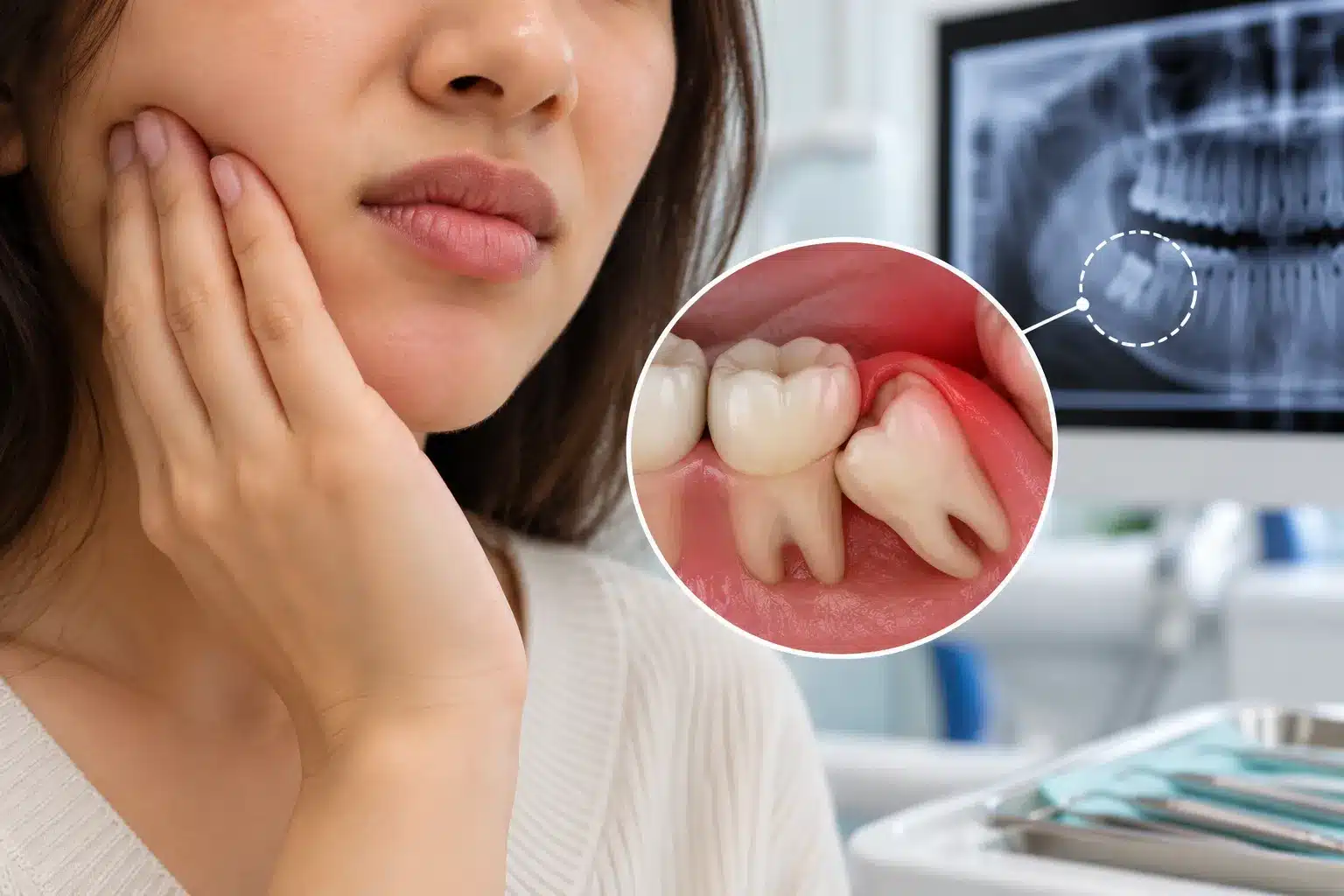
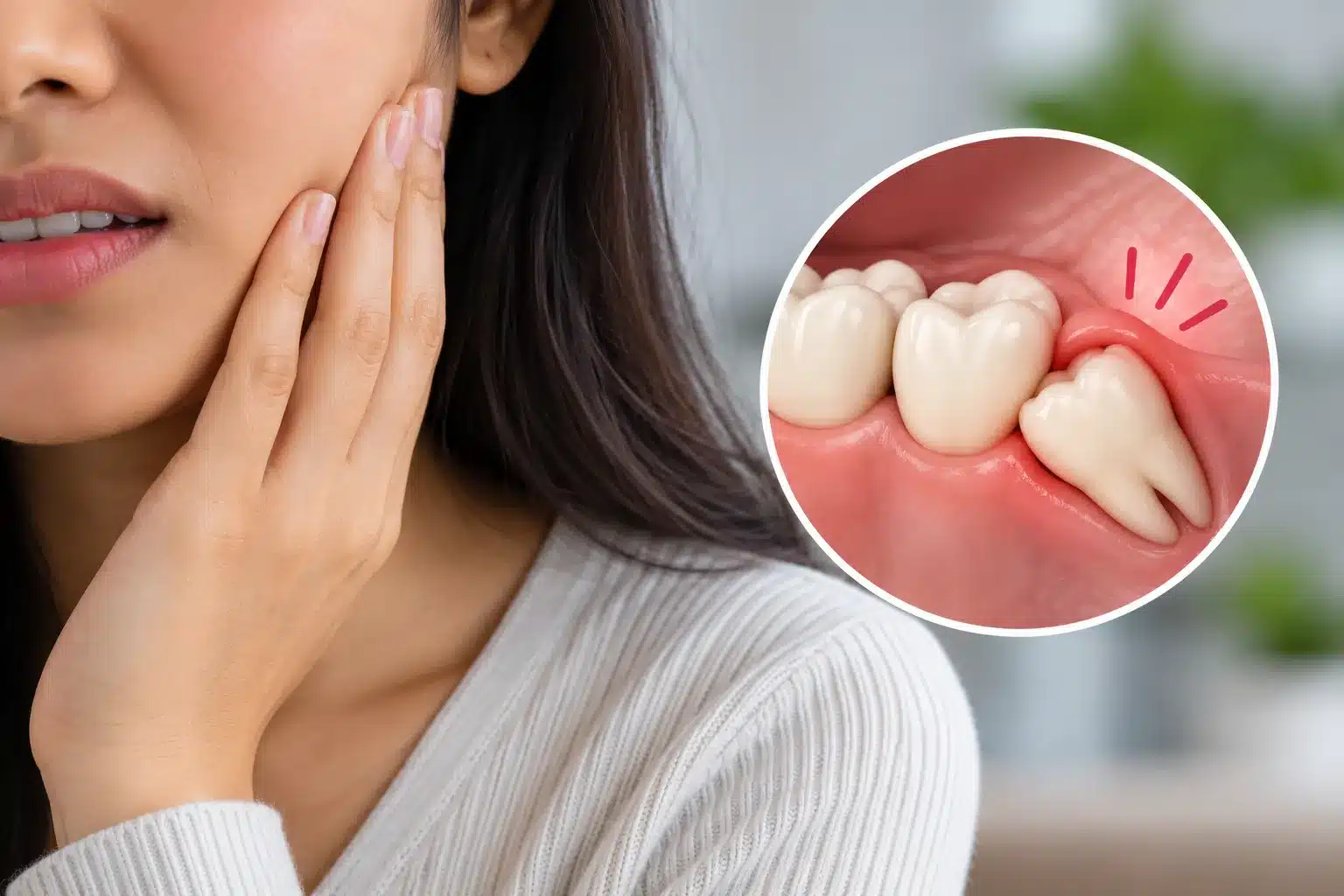
Wisdom teeth are the last molars to appear, usually in the late teens or early twenties. In some people there is enough room for them to erupt straight, meet the opposing tooth and be cleaned like any other molar. Those teeth may never need treatment. In many others the jaw is too small, so the teeth get stuck, tilt sideways or only partly break through the gum. That is when trouble starts. The question is therefore not whether you have wisdom teeth, but whether yours are healthy, accessible and stable.
What Does the Research Say?
This is one of the most debated topics in dentistry. After reviewing the evidence in 2000, NICE in the UK advised that routine removal of disease-free impacted wisdom teeth should stop, with surgery kept for people showing signs of disease. A systematic review on surgical removal versus retention has found that good-quality trials are lacking, which means there is not enough evidence to say that taking out healthy, symptom-free impacted wisdom teeth prevents future problems.
This does not mean wisdom teeth never cause trouble. It means a blanket rule of removing everyone’s teeth is not supported, and that each case should be judged on its own findings. Some professional bodies have historically favoured earlier removal, which is why you may hear different opinions from different dentists. A good clinician will explain the reasoning behind their advice.
When Wisdom Tooth Removal Is Necessary
Dentists agree that removal is appropriate when a wisdom tooth is already causing disease or is very likely to. Common reasons include:
- Repeated gum infections around a partly erupted tooth, known as pericoronitis, that keep returning.
- Tooth decay in the wisdom tooth that cannot be restored because it is too far back.
- Damage or decay in the neighbouring second molar caused by pressure or trapped food.
- Cysts or other pathology around an impacted tooth that are visible on an X-ray.
- Persistent pain, swelling or limited mouth opening that is linked to the wisdom tooth.
- Planned orthodontic or surgical treatment where the wisdom tooth would interfere.
When You May Not Need Removal
A wisdom tooth can usually be kept when it is healthy and well positioned. Signs that monitoring may be enough include:
- The tooth has fully erupted, sits upright and bites correctly against the opposite tooth.
- You can brush and floss around it easily without trapping food or bleeding.
- Your X-ray shows no decay, cysts, bone loss or damage to the neighbouring molar.
- The tooth is deeply buried in bone with no sign of disease and no symptoms.
Keeping a wisdom tooth does require commitment. Regular check-ups and periodic X-rays let your dentist catch changes early, and good brushing and flossing at the back of the mouth matter more than ever.
The Risks of Removing and the Risks of Keeping
Neither choice is risk-free, which is why the decision deserves a proper conversation. Removal is a surgical procedure that can involve swelling, bruising, temporary jaw stiffness and, less often, dry socket, infection or nerve irritation. The risk depends on the tooth’s position and is usually lower in younger patients, where the roots are not fully formed. Keeping a problem tooth, on the other hand, can mean recurring infection, decay in the neighbouring molar and a more complicated extraction later in life. The aim is to weigh the realistic chance of future trouble against the risks of surgery today.
Does Age Matter?
Often, yes. Wisdom teeth removed in the late teens or twenties tend to heal quickly because the bone is more flexible and the roots are shorter. In older adults, roots are fully developed and the bone is denser, so recovery can be slower and the surgery a little more demanding. That is one reason dentists like to assess wisdom teeth early, even if the decision is simply to watch them. It is also why a tooth that has been causing repeated trouble is usually better removed sooner rather than later.
Questions to Ask Your Dentist
- Is my wisdom tooth healthy, and can I clean it properly without much difficulty?
- What does my X-ray show about the angle, depth and nearby nerves for this tooth?
- What is the realistic chance of problems if I choose to keep this tooth?
- What are the specific surgical risks for my tooth, and what will recovery involve?
- How often should I come back for check-ups if we decide to monitor it?
How Amend Dental Decides
At Amend Dental, wisdom tooth advice begins with a careful clinical examination and imaging, so the recommendation is based on your own teeth and not a standard rule. If removal is needed, the team explains the procedure, comfort measures and aftercare clearly. If monitoring is enough, you are told exactly what to watch for and when to return. You can see the full range of treatments on the Amend Dental services page.
Not Sure If You Need Yours Out? Get a Clear Answer
Wisdom tooth removal is not a rite of passage and not a requirement for everyone. It is a treatment for teeth that are diseased, damaged or very likely to become a problem. If yours are healthy and easy to clean, keeping them under watch is a reasonable choice. If they are impacted, infected or harming the tooth next door, removing them early is usually the smarter and simpler path. The best step is a personal assessment with an X-ray, not a guess based on someone else’s experience.
An X-ray and an honest opinion can save you from unnecessary surgery or from a painful emergency later. Amend Dental is one of the best dental clinics in Calicut for your wisdom teeth removal.
Book a consultation at Amend Dental at any of our five clinics today and get a clear, personalised answer.
Frequently Asked Questions
1. Do all wisdom teeth have to be removed?
No. Healthy wisdom teeth that are fully erupted, aligned and easy to clean can often stay, with regular check-ups to monitor them.
2. What happens if I do not remove an impacted wisdom tooth?
Some impacted teeth never cause problems, while others lead to infection, decay in the neighbouring tooth, cysts or pain. Regular X-rays help catch changes early.
3. Is it better to remove wisdom teeth when you are young?
When removal is needed, younger patients often heal faster and face fewer complications. If a tooth is healthy, monitoring is a valid option at any age.
4. Can wisdom teeth cause my other teeth to become crowded?
This is widely believed but not well supported by research. Crowding has several causes, and wisdom teeth are not considered a proven reason for removal.
5. Is wisdom tooth removal painful?
The procedure is done under anaesthesia, so you should feel pressure rather than pain. Mild soreness and swelling afterward are normal and manageable.
6. Where can I get a wisdom tooth opinion in Kerala?
Amend Dental offers evaluation and treatment at its clinics in Calicut, Kannur, Thalassery, Nadapuram and Kottakkal.