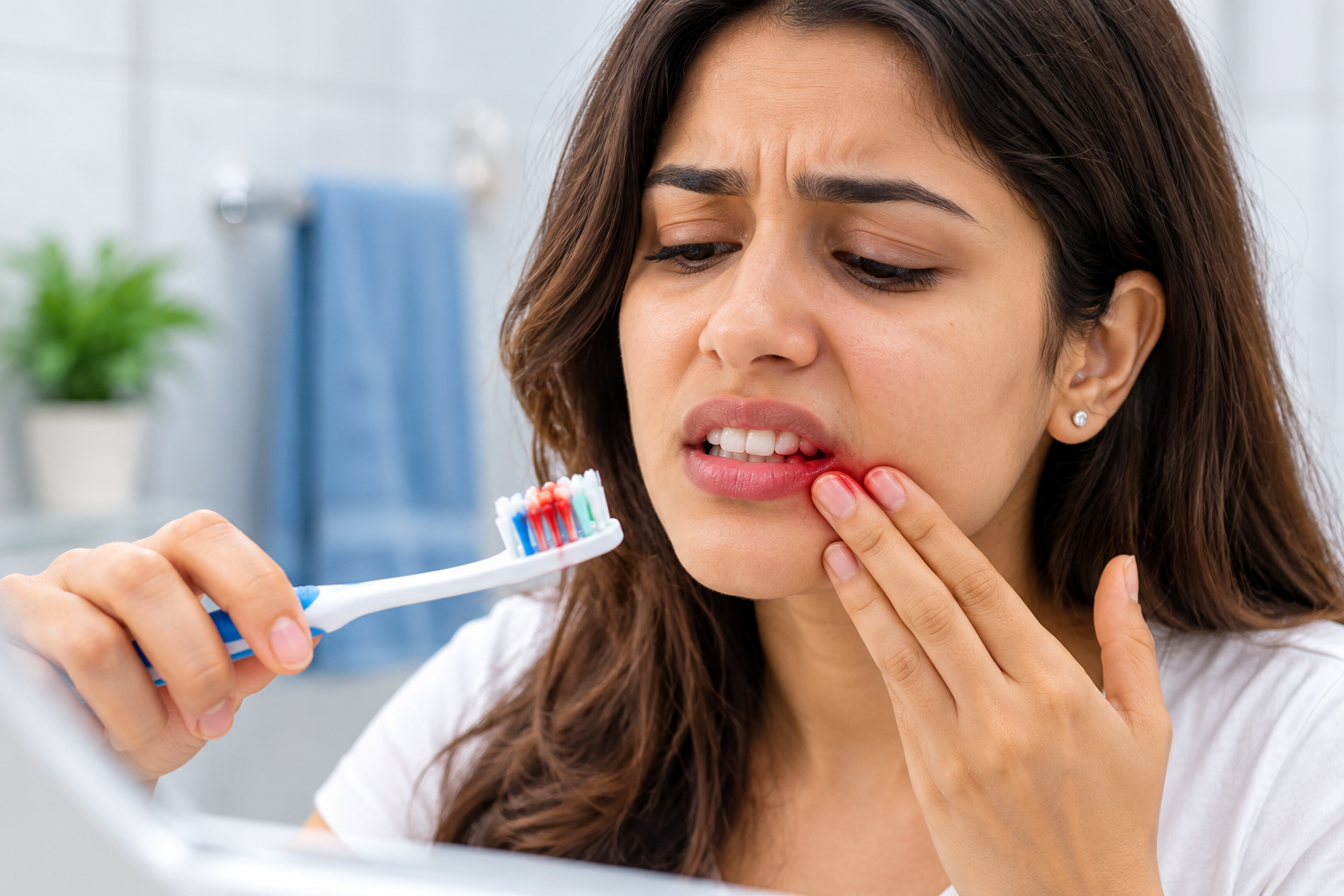
Have you ever noticed pink or red streaks in your toothpaste foam or blood on your toothbrush after brushing? Bleeding gums while brushing is a common oral health concern, but it is not something you should ignore. Although occasional bleeding may result from brushing too aggressively or starting a new flossing routine, frequent bleeding can indicate gum inflammation or an underlying dental problem.
One of the most common causes of bleeding gums is gingivitis, the early stage of gum disease. It develops when plaque, a sticky layer of bacteria, accumulates around the teeth and gumline, triggering inflammation. If left untreated, gingivitis can progress into periodontitis, a more advanced condition that damages the tissues and bone supporting your teeth.
The good news is that early gum problems are often manageable with proper oral hygiene and timely dental care. Understanding why your gums bleed, recognising the warning signs, and knowing when to seek professional treatment can help protect your teeth and overall oral health.
Why Do Your Gums Bleed When You Brush Your Teeth?
Bleeding gums generally indicate irritation, inflammation, or injury to the gum tissue. While brushing too hard can cause physical damage, persistent bleeding is frequently associated with plaque accumulation and gum disease.
Here are some of the most common reasons your gums might bleed when brushing.
1. Gingivitis (Early-Stage Gum Disease)
Gingivitis is one of the leading causes of bleeding gums. It occurs when plaque builds up along the gumline, allowing bacteria to irritate the surrounding gum tissue.
Healthy gums are generally firm and do not bleed during normal brushing. However, when inflammation develops, the gums can become swollen, tender, and more sensitive to contact.
Common symptoms of gingivitis include:
- Red or darker-than-usual gums that appear swollen or inflamed.
- Bleeding during brushing, flossing, or eating certain hard foods.
- Persistent bad breath that does not improve after brushing.
- Tender gum tissue that feels uncomfortable when touched.
The important thing to understand is that gingivitis is often reversible with effective daily plaque removal and professional dental cleaning. Early treatment can prevent the condition from progressing into more serious periodontal disease.
2. Brushing Too Hard or Using the Wrong Toothbrush
Brushing harder does not necessarily make your teeth cleaner. Applying excessive pressure can irritate the gumline, cause bleeding, and contribute to gum recession over time.
Using a toothbrush with hard bristles can also damage delicate gum tissue, particularly when combined with aggressive horizontal brushing movements.
To protect your gums:
- Choose a soft-bristled toothbrush with a comfortable, appropriately sized head.
- Use gentle circular movements instead of scrubbing your teeth aggressively.
- Hold your toothbrush at approximately a 45-degree angle towards the gumline.
- Brush for two minutes, covering the outer, inner, and chewing surfaces.
- Replace your toothbrush when its bristles become visibly worn or damaged.
Both manual and electric toothbrushes can clean effectively when used correctly. The technique and consistency matter more than brushing with excessive force.
3. Poor Flossing Habits or Inconsistent Oral Hygiene
If you rarely floss, plaque and food particles can accumulate in the spaces between your teeth, where a toothbrush cannot clean effectively.
When you suddenly introduce flossing into your routine, your gums may bleed initially, particularly if inflammation is already present. This may improve as your gums become healthier and your cleaning technique improves.
However, flossing should not cause persistent bleeding or significant discomfort.
Use dental floss gently, guiding it between your teeth without snapping it against the gums. Interdental brushes may be more suitable for wider spaces, depending on your dental anatomy.
4. Hormonal Changes During Pregnancy
Hormonal fluctuations can increase gum sensitivity and make some people more susceptible to inflammation.
Pregnancy gingivitis is a recognised condition in which increased hormonal activity can make the gums more reactive to plaque. Symptoms may include swelling, tenderness, redness, and bleeding during brushing.
Maintaining regular oral hygiene is particularly important during pregnancy. Pregnant individuals should also discuss persistent gum inflammation with their dentist rather than avoiding dental appointments.
5. Smoking and Tobacco Use
Smoking can affect the blood supply to gum tissues, interfere with the body’s response to infection, and increase the risk of periodontal disease.
Interestingly, smokers may not always experience obvious gum bleeding because smoking can mask some visible signs of inflammation. Therefore, the absence of bleeding does not necessarily indicate healthy gums.
Reducing or quitting tobacco use is an important step towards improving periodontal health and supporting the success of gum disease treatment.
6. Medical Conditions and Certain Medications
Not every case of bleeding gums originates from poor oral hygiene. Certain medical conditions and medications can also influence gum health or increase bleeding.
These include:
- Diabetes, particularly when blood glucose levels are poorly controlled.
- Blood-thinning medications, which can increase bleeding tendencies.
- Certain blood or clotting disorders that affect normal healing.
- Vitamin C deficiency and, less commonly, vitamin K deficiency.
- Medical conditions that affect immune function or blood cell production.
If your gums bleed frequently despite maintaining good oral hygiene, consult a dentist and discuss your medical history. Do not stop or change prescribed medications without speaking to the healthcare professional responsible for your treatment.
Is It Normal for Gums to Bleed While Brushing?
No. Healthy gums should not regularly bleed during routine brushing or flossing.
A small amount of bleeding may occur when you first start flossing, change your cleaning routine, or accidentally brush too aggressively. However, recurring bleeding should not be considered normal.
The distinction is important because bleeding can be an early warning sign of gingivitis. When identified early, the underlying inflammation can often be controlled before permanent damage occurs.
If your gums bleed repeatedly, arrange a dental examination even if you do not experience pain. Gum disease can progress without causing noticeable discomfort in its early stages.
What Should You Do If Your Gums Bleed While Brushing?
If you notice blood while brushing, your first instinct might be to avoid the affected area. However, stopping oral hygiene altogether can allow more plaque to accumulate and worsen inflammation.
Instead, follow these practical steps.
1. Continue Brushing Gently
Do not completely stop brushing because your gums bleed. Continue cleaning your teeth twice daily using a soft-bristled toothbrush and fluoride toothpaste.
Pay particular attention to the gumline, where plaque commonly accumulates. Use gentle movements and avoid applying excessive pressure.
2. Clean Between Your Teeth Every Day
Brushing alone cannot remove all plaque from the spaces between your teeth. Incorporate daily interdental cleaning using dental floss or appropriately sized interdental brushes.
If flossing causes persistent bleeding, ask your dentist to demonstrate the correct technique and recommend the most suitable cleaning tool.
3. Rinse With Warm Salt Water if Your Gums Feel Irritated
A gentle warm saltwater rinse may provide temporary comfort when your gums feel irritated.
Dissolve approximately half a teaspoon of salt in a glass of warm water, rinse gently, and spit it out. Avoid swallowing the solution.
Remember that saltwater rinses do not remove hardened tartar or treat the underlying cause of gum disease. They should not replace professional dental assessment.
4. Avoid Tobacco and Limit Irritating Habits
Smoking and tobacco use can worsen periodontal health and interfere with healing. Avoid tobacco products, and be mindful of habits that may irritate already inflamed gums.
Maintaining a balanced diet, drinking sufficient water, and limiting frequent sugary snacks can also support better oral health.
5. Schedule a Dental Examination
If bleeding continues, becomes more frequent, or occurs alongside swelling and bad breath, arrange an appointment with a dentist.
A dental professional can identify whether the bleeding is caused by gingivitis, periodontitis, physical irritation, or another underlying condition.
Do not rely exclusively on home remedies when symptoms persist.
How Are Bleeding Gums Treated by a Dentist?
The appropriate treatment for bleeding gums depends on what is causing the problem and how advanced the condition has become.
A dentist will typically examine your gums, assess plaque and tartar accumulation, and check for signs of periodontal damage.
Depending on the findings, treatment may include the following.
Professional Dental Cleaning (Scaling and Polishing)
Professional dental cleaning removes plaque and hardened deposits known as tartar from the tooth surfaces and around the gumline.
Unlike soft plaque, tartar cannot be effectively removed using a regular toothbrush or dental floss. Professional instruments are required to remove these deposits.
Scaling and polishing can help reduce gum inflammation when plaque and tartar accumulation are contributing to the bleeding.
Deep Cleaning (Scaling and Root Planing)
If gum disease has progressed beyond gingivitis, a dentist may recommend scaling and root planing.
This procedure involves removing bacterial deposits from beneath the gumline and cleaning the root surfaces to support healing and reduce periodontal pocket depths.
It is commonly used in the management of periodontitis, alongside improved daily oral hygiene and ongoing periodontal maintenance.
Periodontal Treatment
Advanced gum disease may require more specialised periodontal care.
Depending on the severity of the condition, treatment can involve periodontal maintenance, surgical procedures, or other interventions designed to control infection and protect the supporting structures of the teeth.
Antibiotics are not routinely required for every case of bleeding gums. A dentist will determine whether additional medication is appropriate based on the clinical diagnosis.
When Should You Worry About Bleeding Gums?
Occasional bleeding after accidentally brushing too hard may not indicate a serious problem. However, certain symptoms should prompt a dental examination without delay.
Pay attention if you experience:
- Gums that bleed repeatedly during brushing, flossing, or eating.
- Persistent gum swelling, redness, tenderness, or unusual changes in colour.
- Bad breath or an unpleasant taste that does not disappear.
- Gum recession that makes your teeth appear longer than before.
- Teeth that feel loose or have started shifting position.
- Pus around the gums or painful swelling near your teeth.
Seek urgent dental or medical assessment if you experience severe or uncontrolled oral bleeding, significant facial swelling, fever, or difficulty swallowing or breathing. Difficulty breathing or swallowing requires emergency medical care.
Persistent unexplained bleeding, especially when accompanied by unusual bruising or bleeding elsewhere, should also be assessed by a healthcare professional.
How Can You Prevent Bleeding Gums and Maintain Healthy Gums?
Preventing bleeding gums starts with a consistent oral hygiene routine. Removing plaque regularly helps control the bacterial buildup responsible for gum inflammation.
Here are some habits that can make a meaningful difference.
Brush Twice a Day: Brush your teeth for at least two minutes in the morning and before bedtime using fluoride toothpaste and a soft-bristled toothbrush.
Floss or Clean Between Your Teeth Daily: Use dental floss or appropriately sized interdental brushes to remove plaque and food particles from areas that regular brushing cannot reach.
Use the Correct Brushing Technique: Avoid aggressive scrubbing and excessive pressure. Clean along the gumline gently, ensuring that all tooth surfaces receive attention.
Maintain a Balanced Diet: Include fruits, vegetables, and foods containing vitamin C and other essential nutrients to support normal gum tissue health.
Drink Enough Water: Staying hydrated supports saliva production, which helps wash away food particles and maintain a healthy oral environment.
Avoid Smoking and Tobacco: Tobacco use increases the risk of periodontal disease and can interfere with the healing response of gum tissues.
Attend Regular Dental Check-ups: Schedule dental examinations at intervals recommended by your dentist so that plaque accumulation, gum inflammation, and other problems can be identified early.
Address Medical Risk Factors: If you have diabetes or take medications that influence bleeding, discuss their potential effects on your oral health with your healthcare providers.
Do Not Ignore Bleeding Gums While Brushing
Bleeding gums while brushing may seem like a minor inconvenience, but recurring bleeding can be an early indication of gingivitis or more advanced gum disease. Identifying the underlying cause, improving your brushing and flossing habits, and seeking professional dental care when necessary can help prevent complications.
Remember, healthy gums should not regularly bleed. If you notice persistent bleeding, swelling, tenderness, or changes in your gumline, do not wait for pain to develop before consulting a dentist.
At Amend Dental Centre, we understand the importance of healthy gums in maintaining a strong, confident smile. Our dental team offers periodontal care, including gum assessments, professional cleaning, and specialised treatment options based on individual dental needs.
Take the first step towards healthier gums and a healthier smile.
Visit Amend Dental Centre or call +91 8848282800 to enquire about an appointment.
Frequently Asked Questions About Bleeding Gums
1. Why do my gums bleed when I brush my teeth?
Gums commonly bleed during brushing because of plaque accumulation and gum inflammation, particularly gingivitis. Other possible causes include brushing too hard, improper flossing, hormonal changes, smoking, certain medications, and medical conditions. Persistent bleeding should be evaluated by a dentist.
2. How can I stop my gums from bleeding while brushing?
Use a soft-bristled toothbrush, brush gently twice daily with fluoride toothpaste, and clean between your teeth every day. Avoid aggressive brushing and tobacco use. If bleeding continues, consult a dentist to identify and treat the underlying cause.
3. Should I stop brushing if my gums bleed?
No. Stopping brushing can allow more plaque to accumulate and worsen gum inflammation. Continue brushing gently with a soft-bristled toothbrush, paying attention to the gumline. Seek dental advice if the bleeding persists or becomes more severe.
4. Can gingivitis cause bleeding gums?
Yes. Bleeding during brushing or flossing is one of the most common symptoms of gingivitis. This early stage of gum disease develops when plaque irritates the gum tissue. With effective oral hygiene and professional dental care, gingivitis can often be reversed.
5. Can vitamin deficiency cause bleeding gums?
Yes. Severe vitamin C deficiency can cause gum inflammation and bleeding. Vitamin K deficiency can also contribute to abnormal bleeding. However, plaque-related gum disease is a much more common explanation for bleeding during brushing. A healthcare professional can investigate suspected nutritional deficiencies.