Wisdom teeth, also called third molars, are the last set of teeth to emerge, usually appearing between the ages of 17 and 25. For many, these teeth can grow in without issues, but often they lead to discomfort, misalignment, or dental complications. Understanding the removal process, potential risks, and recovery is crucial for making informed decisions about oral health.
Why Wisdom Teeth Often Require Removal
While some people keep their wisdom teeth without problems, many experience complications that necessitate extraction:
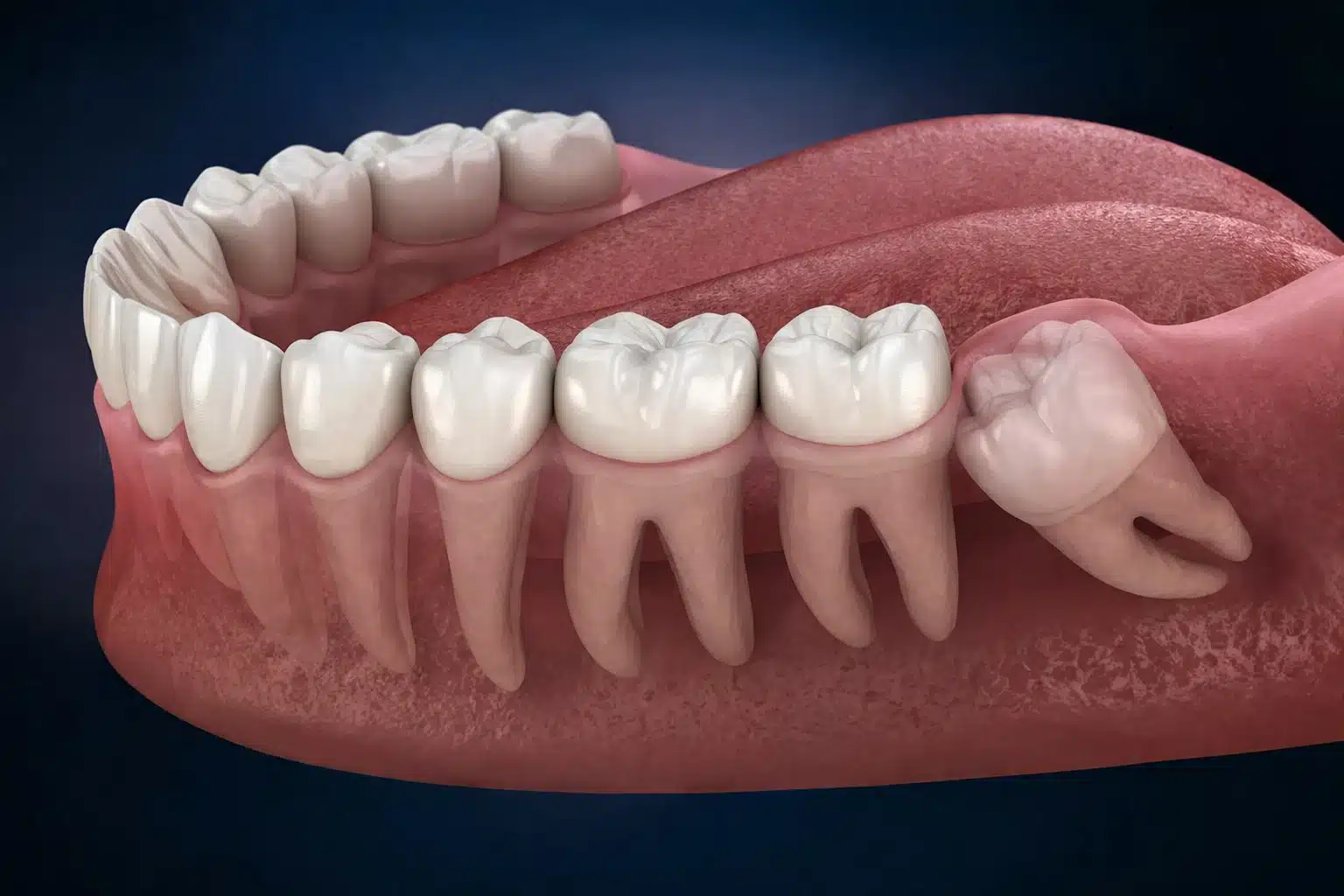
- Impaction: Wisdom teeth can be trapped beneath the gum line, unable to emerge fully, causing pain and swelling.
- Crowding: As they erupt, wisdom teeth may push against neighboring teeth, leading to misalignment or damage to previously straightened teeth.
- Infection: Partially erupted teeth create pockets where bacteria can accumulate, increasing the risk of gum infections and decay.
- Cysts or Tumors: Rarely, impacted wisdom teeth can cause cysts that damage jawbones or surrounding structures.
Dental professionals often evaluate X-rays to determine whether wisdom teeth are likely to cause problems before they appear, and proactive removal is sometimes recommended.
The Wisdom Tooth Removal Procedure
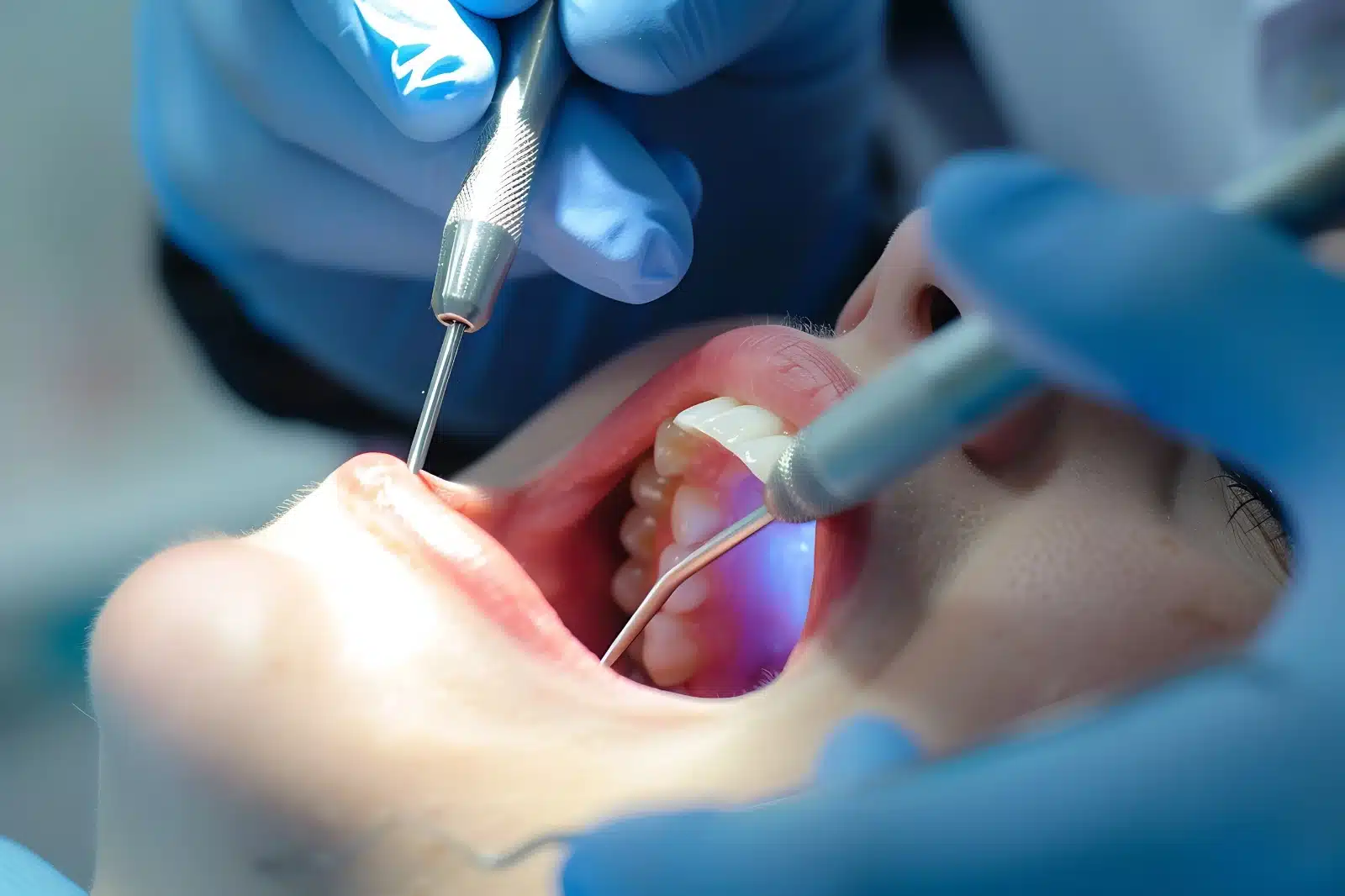
Wisdom tooth extraction may vary depending on whether the tooth is impacted, partially erupted, or fully visible. Here’s what generally happens during the procedure:
- Initial Consultation: The dentist or oral surgeon examines your mouth and takes X-rays to assess tooth position and potential complications.
- Anesthesia: Depending on complexity, local anesthesia, sedation, or general anesthesia is administered to minimize discomfort.
- Extraction Process: The dentist makes an incision if the tooth is impacted, later the tooth is separated from the ligament holding it in place and gently extracted.
- Stitches: Dissolvable stitches may be applied to promote healing.
- Aftercare Instructions: Patients are given guidance on managing bleeding, swelling, and pain.
Most procedures are completed within 30 to 60 minutes, though complicated cases may take longer.
Recovery After Wisdom Tooth Removal
Recovery is a critical part of the process. The body needs time to heal, and proper care can prevent infection or complications. Recovery details include:
- Pain Management: Over-the-counter pain relievers or prescribed medications help control discomfort.
- Swelling and Bruising: Ice packs applied intermittently during the first 24 hours reduce swelling.
- Diet Adjustments: Soft foods such as yogurt, mashed potatoes, and smoothies are recommended. Avoid hot, spicy, or crunchy foods.
- Oral Hygiene: Gentle rinsing with saltwater can keep the surgical site clean, but vigorous brushing near the extraction area should be avoided initially.
How Long Will the Pain Last?
Many patients wonder, for how many days wisdom tooth pain will last. Typically, pain is most noticeable for 2 to 3 days following extraction. Mild discomfort can persist for up to a week, and complete healing of the gum tissue may take a few weeks. If pain intensifies after initial improvement, it could indicate dry socket or infection, requiring prompt dental attention.
Long-Term Considerations After Extraction
- Follow-Up Visits: The dentist may schedule a check-up to ensure proper healing.
- Potential Complications: Though uncommon, complications like dry socket, infection, nerve injury, or prolonged bleeding can occur. Awareness and early detection are key.
- Oral Hygiene Maintenance: Maintaining excellent dental hygiene post-surgery prevents infection and supports healing.
Tips to Ensure a Smooth Recovery
- Avoid smoking or consuming alcohol during the healing period, as these can delay recovery.
- Rest adequately and limit physical activity for the first 24–48 hours.
- Keep your head elevated while resting to reduce swelling.
- Use ice packs and prescribed medications as directed.
- Avoid drinking through a straw to prevent dislodging the blood clot at the extraction site.
Signs You Should Contact Your Dentist
- Severe or worsening pain after the first few days.
- Persistent bleeding beyond 24 hours.
- Swelling that spreads to neck, face or throat.
- Fever or foul-tasting discharge indicating infection.
Take the Step Toward Comfortable Oral Health
Wisdom tooth removal can be a straightforward procedure when handled by experienced dental professionals. Proper preparation, understanding the recovery process, and following aftercare instructions can make the experience smoother and more comfortable. If you are experiencing pain, crowding, or other dental concerns, consulting a skilled dental clinic is the first step toward relief.
At Amend Dental Center, we specialize in safe and precise wisdom tooth extractions. Our team ensures your procedure is as comfortable as possible, with personalized aftercare guidance for rapid recovery. Book a consultation today and take the first step toward a pain-free smile.
Pages You Might Like:
Dental clinic in Calicut, Best dental clinic in Calicut, Dental clinic in Kozhikode, Best dental clinic in Kozhikode, Dental hospital Calicut, Dental clinic in Kannur, Best dental clinic in Kannur, Top dental clinic in Kannur, Dental clinic in Thalassery, Best dental clinic in Thalassery