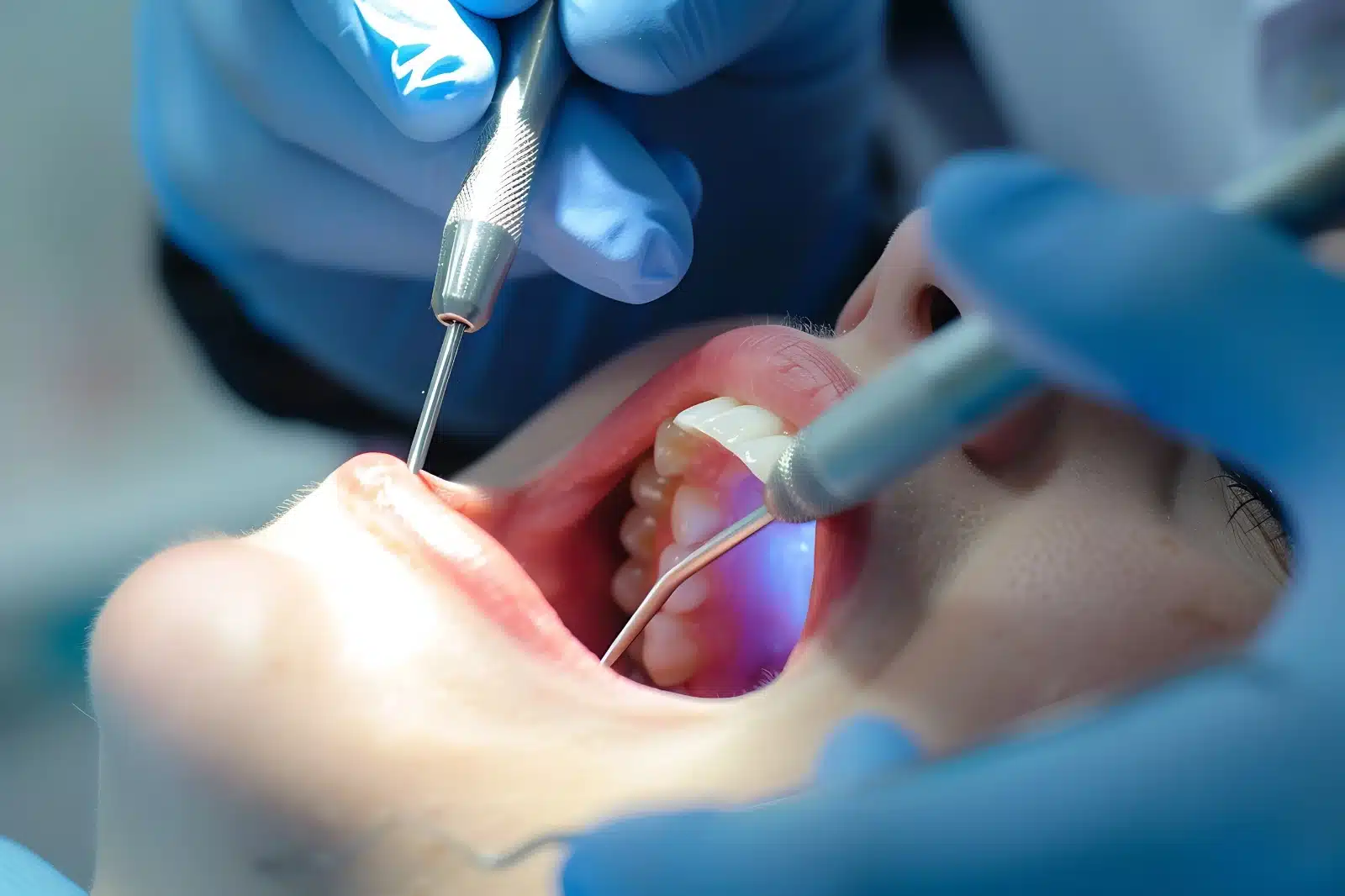
A straight, well-aligned smile does more than look great. It contributes to better oral hygiene, improved chewing function, and greater confidence in everyday life. If you or your child has been told that orthodontic treatment may be necessary, you probably have a lot of questions. This guide covers what braces are, how they work, what to expect during treatment, and how to reduce braces pain so you can feel prepared every step of the way.
What Are Braces?
So, what are braces exactly? Braces are orthodontic appliances designed to gradually move teeth into their correct positions by applying consistent, controlled pressure over time. They are one of the most widely used dental treatments in the world, suitable for children, teenagers, and adults alike.
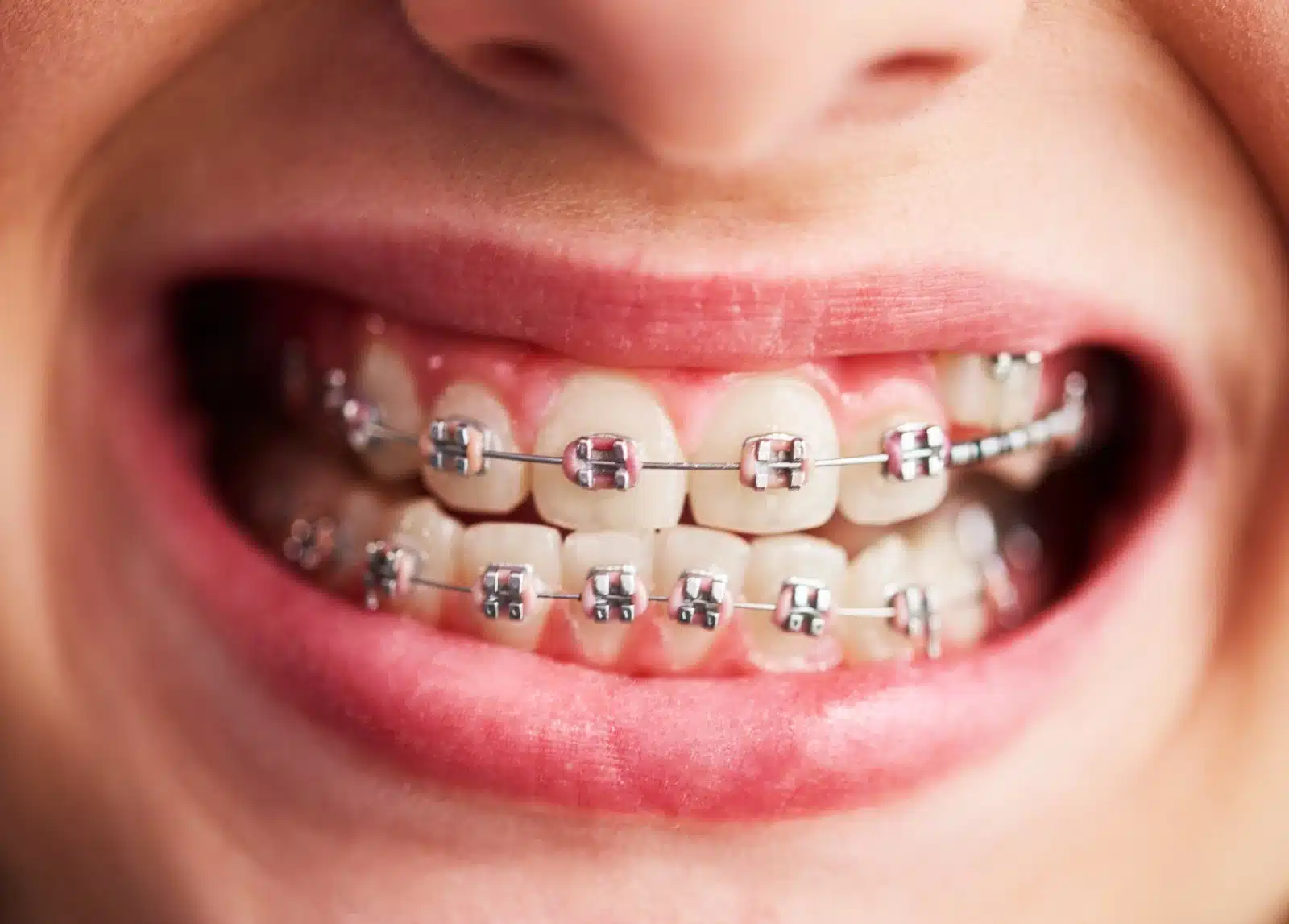
Traditional metal braces consist of four main components: brackets that are bonded directly to the surface of each tooth, archwires that run through the brackets and guide tooth movement, ligatures (small elastic bands) that hold the wire in place, and bands that wrap around the back molars for additional anchoring. Together, these components create a system that can correct a wide range of alignment issues, from crowding and spacing to overbites, underbites, and crossbites.
Modern orthodontics offers several types of braces to suit different needs and preferences:
- Metal braces: The most common and cost-effective option, durable and effective for complex cases.
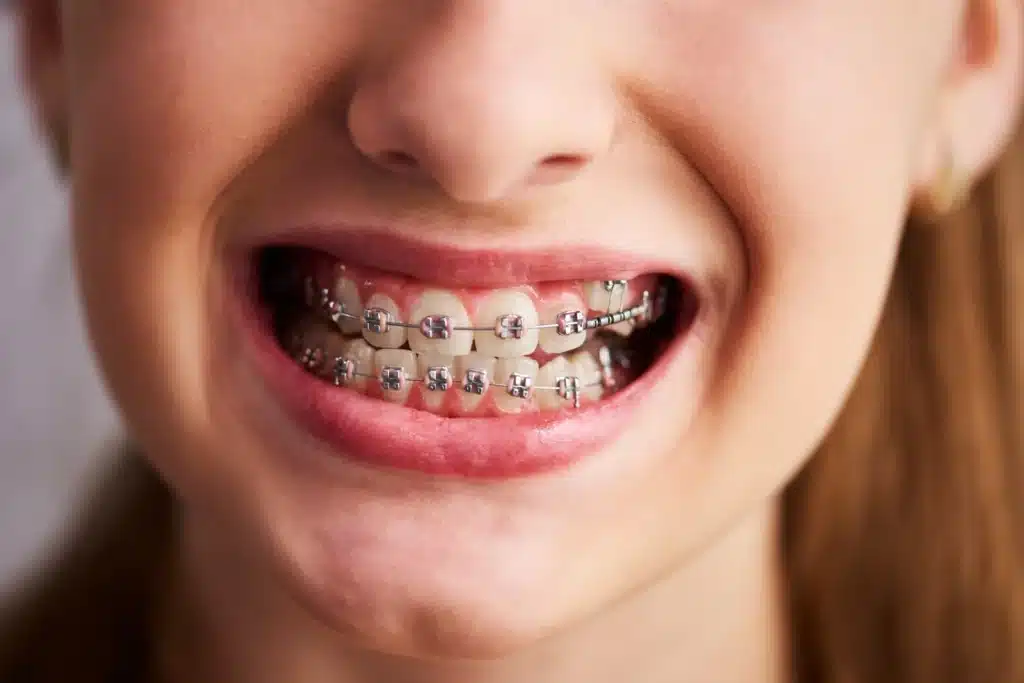
- Ceramic braces: Similar in design to metal braces but made with tooth-colored or clear ceramic brackets, making them far less noticeable.
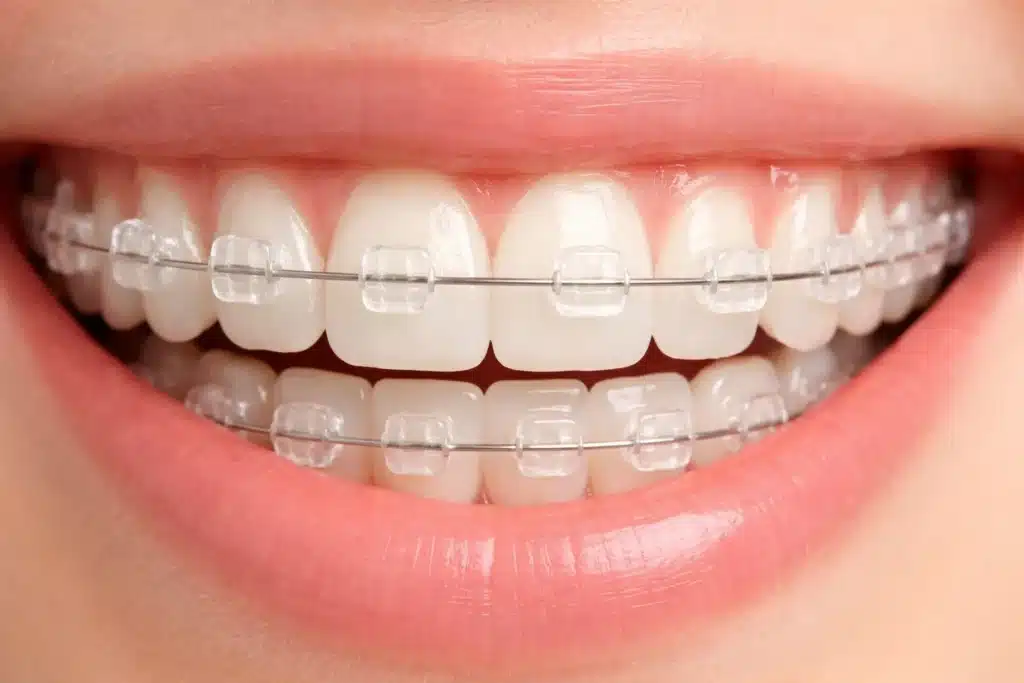
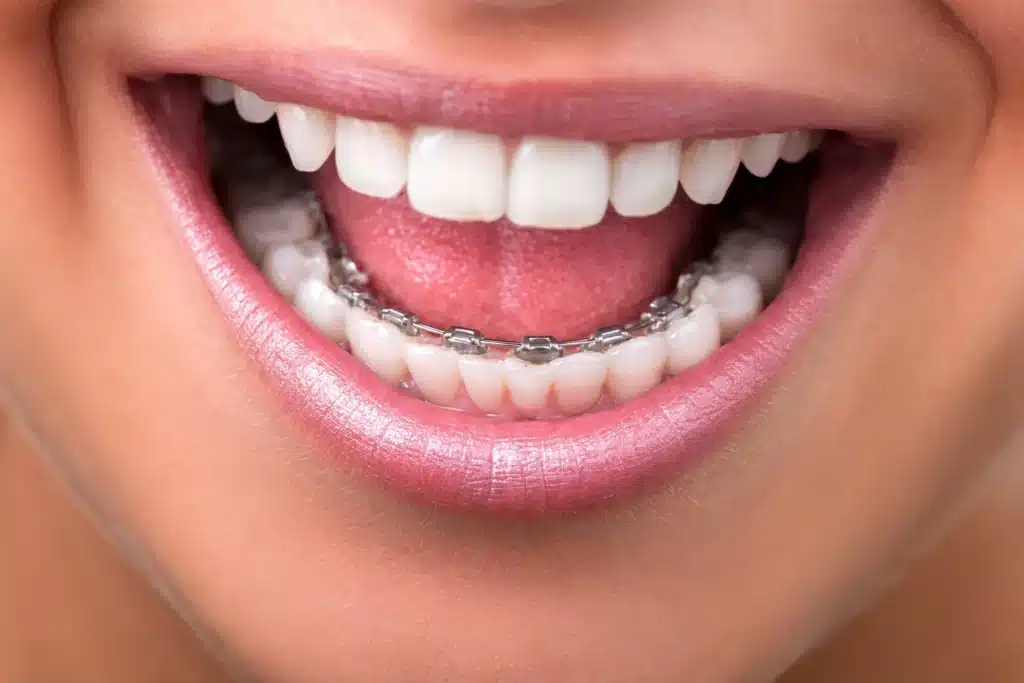
- Lingual braces: Fitted on the inner surface of the teeth, completely hidden from view.
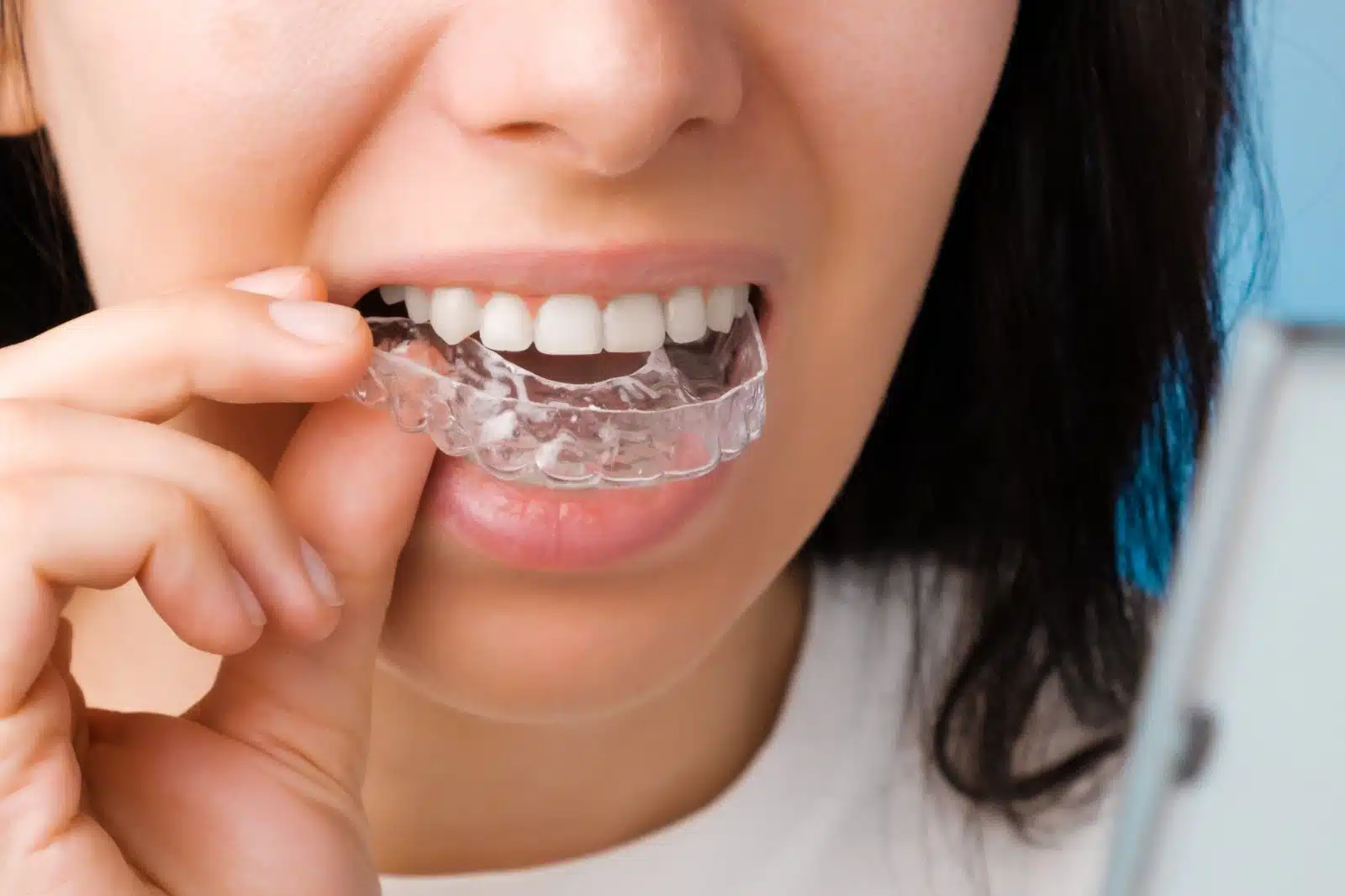
- Clear aligners: Removable plastic trays that are custom-made and swapped out every one to two weeks to shift teeth gradually.
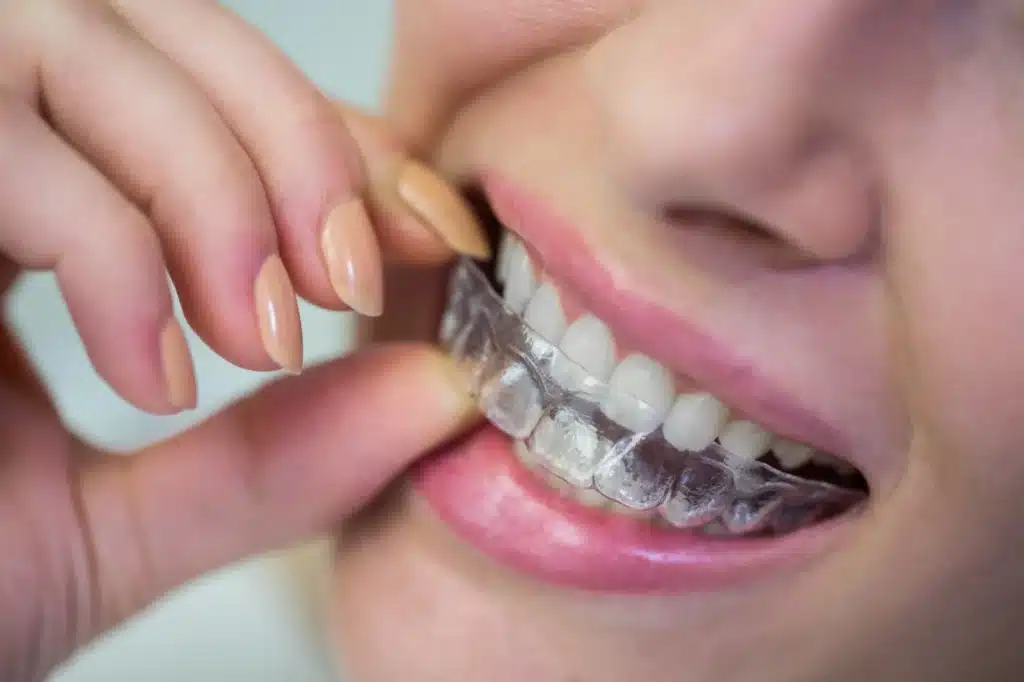
Your dentist or orthodontist will recommend the most appropriate type based on the severity of your case, your lifestyle, and your budget.
How Do Braces Work?
Braces work through a biological process that involves the remodeling of bone tissue around the teeth. When pressure is applied to a tooth, the surrounding periodontal ligament stretches on one side and compresses on the other. This triggers the body to break down bone on the compressed side (a process called resorption) and build new bone on the stretched side (called deposition). Over months and years, this cycle of resorption and deposition allows the teeth to shift into new positions.
During treatment, you will visit your orthodontist roughly every four to eight weeks for adjustments. At these appointments, the archwire is tightened or replaced to maintain the right level of pressure. The total duration of treatment typically ranges from 12 months to 36 months, depending on the complexity of the case.
How to Reduce Braces Pain
One of the most common concerns among new patients is discomfort. Knowing how to reduce braces pain can make a significant difference in your overall experience. It is normal to feel some soreness and pressure in the days following the initial fitting or after each adjustment appointment. The good news is that this discomfort may be controlled with the appropriate techniques and is just momentary.
Here are some practical and proven ways to ease braces-related discomfort:
- Over-the-counter pain relief: Non-prescription pain medications such as ibuprofen or paracetamol can help reduce inflammation and dull soreness. Always follow the recommended dosage and consult your pharmacist if you are unsure.
- Eat soft foods: In the days after getting braces fitted or adjusted, stick to foods that require minimal chewing. Yogurt, mashed potatoes, soup, scrambled eggs, and smoothies are all excellent choices. Avoid hard, crunchy, or sticky foods that could aggravate discomfort or damage the brackets.
- Use orthodontic wax: If a bracket or wire is rubbing against the inside of your cheek or lip, roll a small piece of orthodontic wax and press it over the irritating part. This stops more discomfort and forms a smooth barrier.
- Rinse with warm salt water: A simple saltwater rinse can soothe tender gum tissue. Dissolve about half a teaspoon of salt in a glass of warm water and swish it around your mouth for 30 to 60 seconds. You can do this multiple times a day.
- Apply a cold compress: Holding a cold pack or a bag of frozen vegetables against your jaw for 20-minute intervals can help reduce swelling and numb the area, providing short-term relief.
- Be patient with the adjustment period: Most patients find that discomfort eases noticeably within three to five days. As your mouth adjusts to braces over the course of several weeks, subsequent adjustments tend to feel less intense.
Caring for Your Teeth During Treatment
When wearing braces, maintaining proper dental hygiene is crucial. Food particles and plaque can easily become trapped around brackets and wires, increasing the risk of tooth decay, gum disease, and white spot lesions (areas of demineralization on the tooth surface). Essential behaviours include flossing at least once a day and brushing after every meal.
Use a soft-bristled toothbrush and fluoride toothpaste. An interdental brush or floss threader can make it easier to clean between wires and brackets. Many orthodontists also recommend an antibacterial or fluoride mouthwash as an added layer of protection.
There are also certain foods you should avoid throughout treatment. Hard foods like raw carrots, apples, and crusty bread can dislodge brackets. Sticky foods such as caramel, chewing gum, and chewy lollies can pull at wires. Biting your nails or chewing on pens can also cause damage, so it is worth being mindful of these habits.
Life After Braces: Retainers and Results
Once your braces are removed, the orthodontic journey is not quite finished. Relapse is the term for the natural tendency of teeth to return to their initial placements. To prevent this, your orthodontist will fit you with a retainer.
Retainers come in two main forms. Removable retainers are typically worn full-time initially, then only at night as directed by your orthodontist. Fixed retainers consist of a thin wire bonded to the back of the front teeth, providing continuous support without any effort on your part. Many patients wear retainers indefinitely to preserve their results long-term.
The results of orthodontic treatment go well beyond aesthetics. Properly aligned teeth are easier to clean, which supports better gum health. A corrected bite can reduce strain on the jaw joint, decrease the risk of tooth wear, and even improve speech in some cases. Many patients also report a meaningful boost in self-confidence once their treatment is complete.
Conclusion
Understanding what braces are, how they work, and how to reduce braces pain puts you in a much stronger position as you begin or consider orthodontic treatment. Braces are a well-established, highly effective solution for improving both the function and appearance of your smile, and with the right care and guidance, the process can be far more comfortable than you might expect.
If you are ready to take the first step toward a straighter smile, the experienced team at Amend Dental Centre is here to help. Whether you have questions about the best type of braces for your needs, want to know what to expect during treatment, or are simply looking for a welcoming and professional dental practice you can trust, we would love to hear from you.
Read more in our Guide to Dental Care & Oral Health
Pages You Might Like:
Dental clinic in Calicut, Best dental clinic in Calicut, Dental clinic in Kozhikode, Best dental clinic in Kozhikode, Dental hospital Calicut, Dental clinic in Kannur, Best dental clinic in Kannur, Top dental clinic in Kannur, Dental clinic in Thalassery, Best dental clinic in Thalassery