We’ve all been there, exhausted after a long day, barely able to keep our eyes open, and the last thing we want to do is spend two minutes brushing our teeth. It’s tempting to skip this seemingly small task and collapse into bed. But that nighttime brushing routine is far more critical than many people realize. Understanding why it’s important to brush your teeth at night can be the difference between a healthy smile and costly dental problems down the road.
The Science Behind Nighttime Bacteria Buildup
Throughout the day, your mouth becomes a breeding ground for bacteria. Every time you eat or drink, food particles and sugars remain on your teeth and gums, providing fuel for the hundreds of bacterial species that naturally inhabit your mouth. While this might sound alarming, it’s completely normal, but it requires proper management.
During waking hours, your mouth has natural defenses against these bacteria. Saliva production remains high, constantly washing away food debris and neutralizing acids produced by bacteria. You’re also swallowing regularly, eating, drinking water, and perhaps chewing gum, all activities that help keep bacterial populations somewhat in check.
However, everything changes when you sleep. Saliva production dramatically decreases during the night. This reduction in your mouth’s natural cleaning and protective mechanism creates an ideal environment for bacteria to thrive undisturbed for six to eight hours. Without intervention, these bacteria form a sticky film called plaque on your teeth, and this is where the problems begin.
What Happens When You Skip Brushing at Night
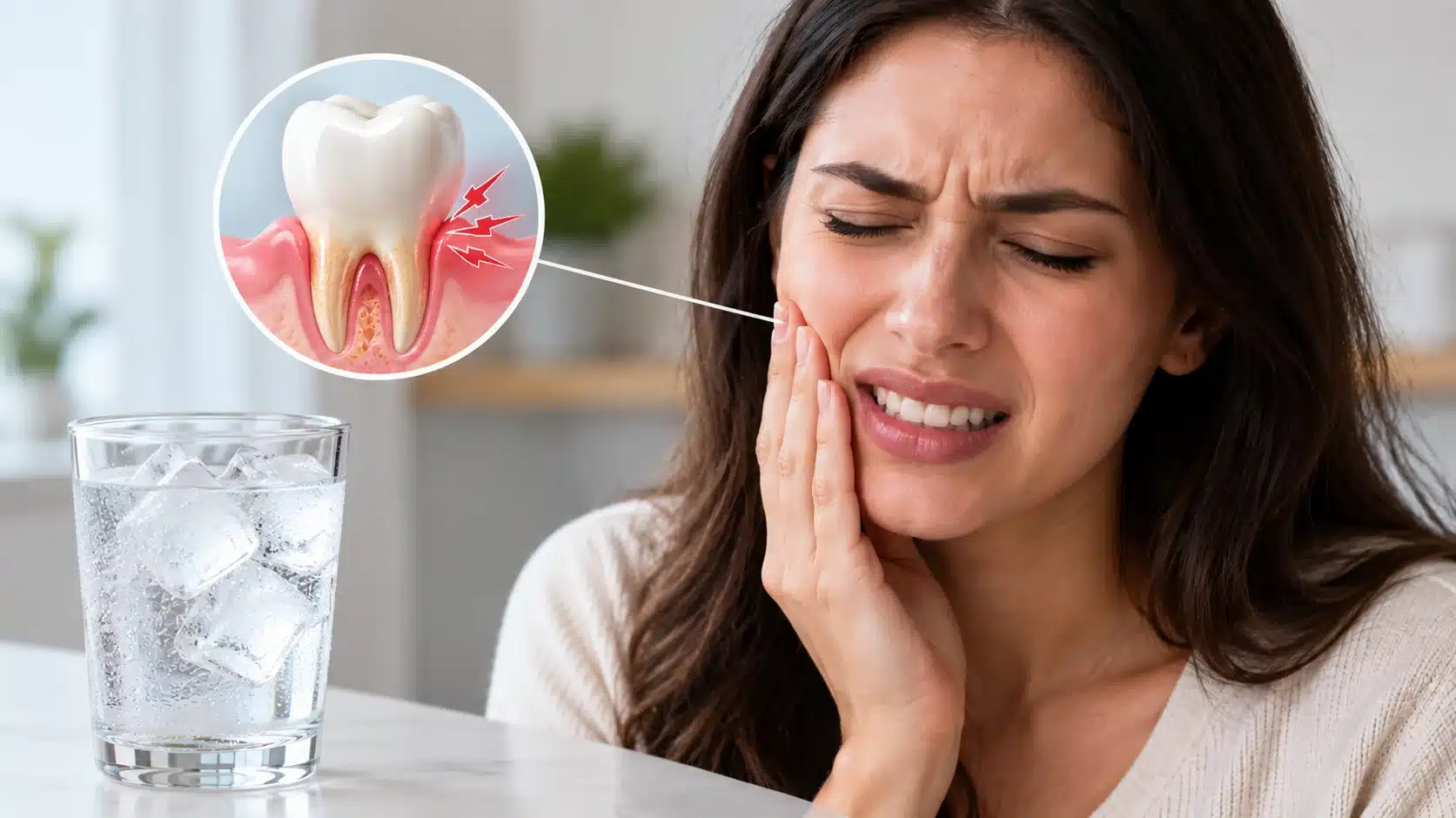
When you go to bed without brushing, you’re essentially giving bacteria a breeding ground. The plaque that forms contains acids produced by bacteria as they feed on sugars and starches left in your mouth. These acids directly attack your tooth enamel, the hard protective outer layer of your teeth.
Over time, this nightly acid assault leads to several serious consequences such as :
- Tooth decay and cavities: The enamel gradually breaks down, creating weak spots and eventually holes in your teeth. What starts as a small cavity can quickly progress into deeper decay that reaches the sensitive inner layers of your tooth, causing pain and requiring more extensive treatment like root canals or crowns.
- Gum disease: The bacteria in plaque don’t just attack teeth, they also irritate and inflame your gums. This begins as gingivitis, characterized by red, swollen, bleeding gums. Left untreated, it can progress to periodontitis, a severe gum infection that damages the soft tissue and bone supporting your teeth, potentially leading to tooth loss.
- Bad breath: The bacterial activity overnight produces volatile sulfur compounds that cause morning breath. While everyone experiences some degree of morning breath, skipping nighttime brushing makes it significantly worse. For people who regularly skip this routine, the bad breath can become chronic and noticeable throughout the day.
- Tartar formation: If plaque isn’t removed through brushing, it hardens into tartar (or calculus) within 24 to 72 hours. Once formed, tartar cannot be removed by regular brushing and requires professional dental cleaning. Tartar provides an even better surface for plaque to accumulate, accelerating the cycle of dental problems.
Making Nighttime Brushing a Non-Negotiable Habit
If you’re someone who occasionally or regularly skips brushing at night, it’s time to make a change. Here are some strategies to help make nighttime brushing an unbreakable habit:
- Pair brushing with another established nighttime routine. If you always lock your doors before bed, brush your teeth right before or after. If you take medication at night, link tooth brushing to that activity. These associations help reinforce the habit.
- Set a reminder on your phone or use a habit-tracking app. Sometimes we simply forget, especially when our routines are disrupted. A gentle reminder can help keep you on track until the habit becomes automatic.
- Make it pleasant. Consider an electric toothbrush if it makes the experience more enjoyable or effective for you. Some people find that brushing while listening to music or a podcast makes the time pass more pleasantly.
- Remember your “why.” When you’re tired and tempted to skip, remind yourself of what you’re protecting, not just your teeth, but your overall health, your confidence in your smile, your ability to eat the foods you love, and your financial wellbeing.
The Right Way to Brush at Night
Since nighttime brushing is so important, it’s worth doing it correctly. Use a soft-bristled toothbrush and fluoride toothpaste. Hold your brush at a 45-degree angle to your gums and use gentle, circular motions rather than aggressive back-and-forth scrubbing, which can damage your gums and enamel.
Don’t forget your tongue, where bacteria can accumulate and contribute to bad breath. Many electric toothbrushes have built-in two-minute timers, or you can use your phone or a simple kitchen timer.
Spit out the toothpaste after brushing, but don’t rinse with water immediately. Leaving a thin film of toothpaste on your teeth allows the fluoride to continue working throughout the night, strengthening your enamel and providing additional protection against acid attacks.
For optimal oral health, consider adding flossing to your nighttime routine as well. Flossing clears plaque and trapped food from between your teeth, these are areas your toothbrush can’t reach. If you’re only going to floss once a day, nighttime is the ideal time to do it, clearing away the entire day’s accumulation.
Your Smile Deserves Better
The question isn’t really whether brushing your teeth at night is important, the evidence overwhelmingly confirms that it is. The real question is whether you value your oral and overall health enough to spend two minutes each night protecting it. Your teeth are meant to last a lifetime, but they need your help to do so.
Want to take your oral health more seriously? The team at Amend Dental Care is here to support you on your journey to optimal dental health. Whether you need a routine cleaning, have concerns about your current oral health, or want personalized advice on the best brushing and flossing techniques for your unique needs, our experienced and caring professionals are ready to help.
Read more in our Guide to Dental Care & Oral Health
Pages You Might Like:
Dental clinic in Calicut, Best dental clinic in Calicut, Dental clinic in Kozhikode, Best dental clinic in Kozhikode, Dental hospital Calicut, Dental clinic in Kannur, Best dental clinic in Kannur, Top dental clinic in Kannur, Dental clinic in Thalassery, Best dental clinic in Thalassery, Dental clinic Kottakkal, Kottakkal dental clinic, Best dental clinic in Malappuram, Dental clinic in Malappuram